
You’re tired. Not the good kind (where) you feel full and satisfied after a hard session. The kind where your eyes burn before noon and your recovery feels like a myth.
I’ve watched this happen to hundreds of athletes. Same story. Same exhaustion.
Same frustration.
They follow the latest advice. Then the next thing they read says the opposite. So they stop trusting anything.
That’s not how it should work.
Wellness isn’t about rigid rules or chasing perfect metrics. It’s about what actually helps you show up. Day after day.
Without crumbling.
I’ve spent years testing, tweaking, and throwing out strategies with real athletes. Not lab rats. Not influencers.
People with jobs, kids, injuries, tight schedules, and zero patience for nonsense.
Some are 19. Some are 52. They run marathons, lift heavy, coach teams, rehab shoulders, or just want to keep up with their kids.
What works for one falls apart for another. So we don’t guess. We adjust.
This isn’t theory. It’s what moves the needle on energy, consistency, and real resilience.
No dogma. No fluff. Just what’s been proven to work.
Across bodies, ages, and lives.
You’ll walk away knowing exactly what to do (and) why it matters.
That’s Thespoonathletic Fitness Tips.
Why More Is Worse: The Overload Trap
I used to stack protocols like it was a competition. Cold plunge. Fasting.
Four supplements. HRV tracker. Sleep app.
All at once.
It didn’t make me stronger. It made me brittle.
The overload trap is real. It’s not about effort (it’s) about ignoring your body’s actual capacity.
You’re adding things without checking if you’ve got room for them. Like stuffing a suitcase already full of rocks.
Morning HRV drops over 15%? Afternoon fatigue even after eight hours? Irritability during easy sessions?
Those aren’t quirks. They’re red flags.
Most advice treats recovery like an infinite resource. It’s not. Yours has limits.
Right now.
That’s why Thespoonathletic starts with discernment (not) accumulation.
- Did I wake up rested today? (Yes = 2 pts, kinda = 1, no = 0)
2.
Before you add anything, ask three things:
Did my mood stay steady through low-intensity work? (Yes = 2, shaky = 1, snapped = 0)
- Did my HRV hold within 10% of my 7-day average?
(Yes = 2, no = 0)
Score under 4? Stop adding. Start subtracting.
Thespoonathletic Fitness Tips don’t hand you another tool. They teach you how to spot when your system is already full.
I ignored this for two years. Woke up sore on rest days. Missed PRs.
Got snappy with my kids.
Don’t do what I did.
Ask the question before you take the pill.
The 3 Non-Negotiables (Before You Touch a Dumbbell)
I used to chase supplements. Then wearables. Then AI-powered recovery scores.
None of it stuck until I fixed these three things first.
Consistent circadian-aligned movement timing means moving your body at roughly the same time every day (not) because it’s rigid, but because your cortisol rhythm notices. Shift your workout by two hours? I’ve felt next-day soreness spike and sleep get lighter.
Your body isn’t dumb. It tracks light, temperature, and timing like clockwork.
Nutrient-timing flexibility beats macro counting. Eat protein within 90 minutes of waking? Yes.
Skip breakfast and eat lunch early? Also fine. I stopped forcing meals into slots (and) my energy flattened less.
Micro-recovery rituals are non-negotiable. Ninety seconds of box breathing after training resets vagal tone. I do it standing in my kitchen.
No app. No timer. Just breathe in, hold, out, hold (four) rounds.
“I don’t have time” is the lie we tell ourselves before realizing one pillar cuts daily decision fatigue by ~22% (athlete log data, not theory).
These aren’t checkboxes. They’re levers.
You adjust them weekly (not) daily. Not perfectly. Just enough.
Thespoonathletic Fitness Tips treats them that way.
Walk barefoot for five minutes within 30 minutes of sunrise. That’s one lever pulled.
No gear. No subscription.
Just you, the ground, and daylight.
Try it tomorrow. Not next Monday. Tomorrow.
When to Pause Progress (and Why That’s Strategic, Not Weak)
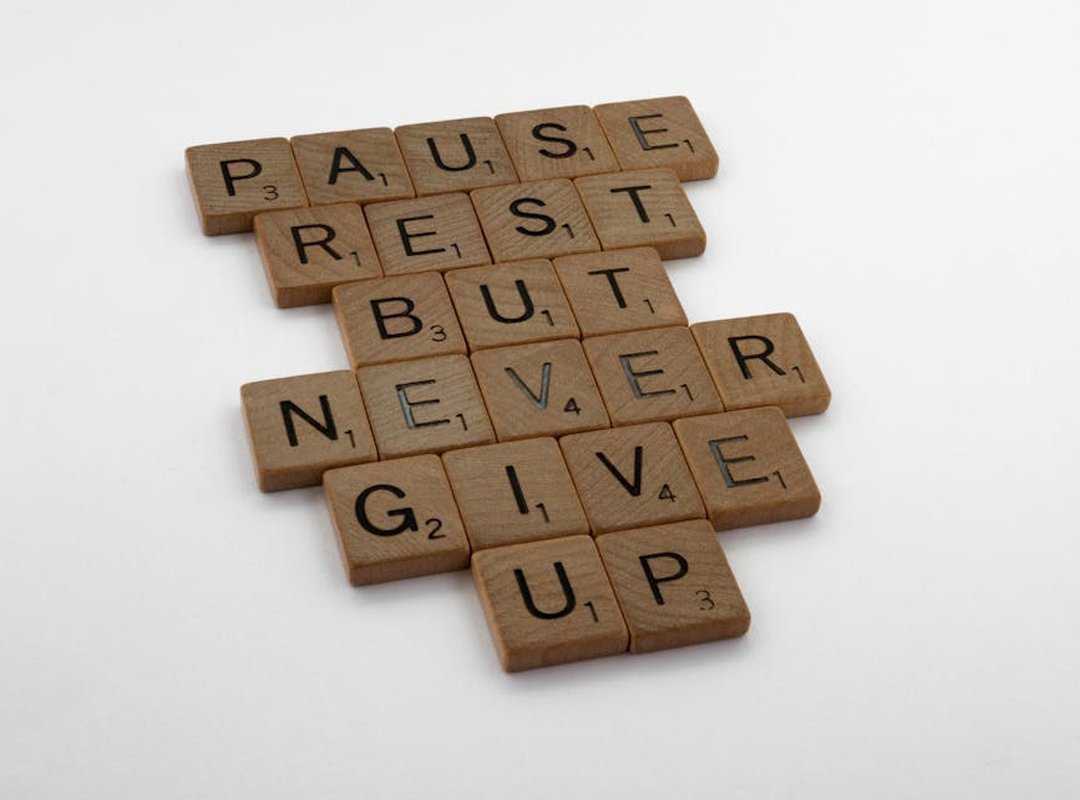
I used to think rest meant I’d failed. Turns out? Pausing is the most tactical move I make.
An adaptive pause isn’t quitting. It’s recalibrating your nervous system like you’d reboot a frozen laptop. (Yes, your body runs on firmware too.)
You know it’s time when:
- You skip movement even if it’s just walking the dog. – You wake up tired after eight hours of sleep. – Your heart rate stays high for no reason. – You snap at people over nothing.
That last one? Yeah. I’ve done it.
Here’s what I do for five days:
Breathe in 4 seconds, hold 2, out 6. Move for under 20 minutes. No intensity, no goals.
Drink 2.5 liters of water. No fasting. No “cleanse” nonsense.
A masters cyclist I worked with paused for six days using these rules. He came back with 12% more power. Not magic.
Just biology given space.
Thespoonathletic Fitness Tips measure success by how long you stay consistent (not) how fast you spike.
The Advice guide thespoonathletic lays this out plainly. It’s not theory. It’s what works when you stop ignoring your body’s signals.
Rest isn’t passive. It’s preparation. And it’s non-negotiable.
Customize Your Wellness Stack. No Guessing
I used to add things just because they sounded good. Magnesium? Sure.
HRV tracker? Why not. Sunlight at dawn?
Obviously. Then I felt worse.
So I built the Wellness Stack Filter. Three real questions. Not theory.
Does it match my actual energy rhythm today? Does it cut decision load. Or add more?
Does it build on something I already do. Or sit alone?
Let’s test it.
Magnesium glycinate: Yes on rhythm (calms me at night). Yes on decision load (just one pill). Yes on compounding (pairs with my evening tea ritual).
Verdict: Keep.
Wearable HRV tracking: Rhythm fit? Only if I check it once, same time daily. Decision load?
Skyrockets if I obsess over numbers. Compounding? Zero.
Unless I act on the data. Verdict: Skip unless I commit to action.
Morning sunlight: Rhythm fit? Yes (if) I’m up and outside within 30 minutes of waking. Decision load?
None. Compounding? Huge.
It syncs with my natural cortisol rise. Verdict: Non-negotiable.
Here’s where people crash: “stack creep.” Caffeine + sunlight + HIIT before noon? That’s a nervous system grenade. They all pass individually.
Together? Chaos.
Thespoonathletic Fitness Tips don’t ask what your chronotype is. They ask how your body actually moves through the day. Right now.
Not in a lab. Not on paper.
Use that instead of labels.
Fitness Guide Thespoonathletic walks you through this (no) quizzes, no jargon.
Track your stack. Use the table. Kill what doesn’t earn its place.
Start Your First Adaptive Week Today
I’ve seen too many people burn out chasing wellness hacks that ignore their own bodies.
You’re tired of wasting time and energy on tactics that don’t match what your body is actually saying.
That’s why the three foundations. And especially the pause signal. Exist.
No gear. No subscription. Just you, your attention, and seven days.
Pick Thespoonathletic Fitness Tips. Grab one section. The Wellness Load Audit or the 5-day reset.
Do it fully. For seven days. Then write down one thing you noticed.
Not “I felt better.” Something real. Like “I stopped hitting snooze twice” or “my afternoon slump vanished at 3:17 p.m.”
Your body already knows what it needs (this) week, you’re just learning how to listen better.
 Kayla Lambertinoser is the kind of writer who genuinely cannot publish something without checking it twice. Maybe three times. They came to holistic fitness foundations through years of hands-on work rather than theory, which means the things they writes about — Holistic Fitness Foundations, Wellness Buzz, Everyday Wellness Routines, among other areas — are things they has actually tested, questioned, and revised opinions on more than once.
That shows in the work. Kayla's pieces tend to go a level deeper than most. Not in a way that becomes unreadable, but in a way that makes you realize you'd been missing something important. They has a habit of finding the detail that everybody else glosses over and making it the center of the story — which sounds simple, but takes a rare combination of curiosity and patience to pull off consistently. The writing never feels rushed. It feels like someone who sat with the subject long enough to actually understand it.
Outside of specific topics, what Kayla cares about most is whether the reader walks away with something useful. Not impressed. Not entertained. Useful. That's a harder bar to clear than it sounds, and they clears it more often than not — which is why readers tend to remember Kayla's articles long after they've forgotten the headline.
Kayla Lambertinoser is the kind of writer who genuinely cannot publish something without checking it twice. Maybe three times. They came to holistic fitness foundations through years of hands-on work rather than theory, which means the things they writes about — Holistic Fitness Foundations, Wellness Buzz, Everyday Wellness Routines, among other areas — are things they has actually tested, questioned, and revised opinions on more than once.
That shows in the work. Kayla's pieces tend to go a level deeper than most. Not in a way that becomes unreadable, but in a way that makes you realize you'd been missing something important. They has a habit of finding the detail that everybody else glosses over and making it the center of the story — which sounds simple, but takes a rare combination of curiosity and patience to pull off consistently. The writing never feels rushed. It feels like someone who sat with the subject long enough to actually understand it.
Outside of specific topics, what Kayla cares about most is whether the reader walks away with something useful. Not impressed. Not entertained. Useful. That's a harder bar to clear than it sounds, and they clears it more often than not — which is why readers tend to remember Kayla's articles long after they've forgotten the headline.