
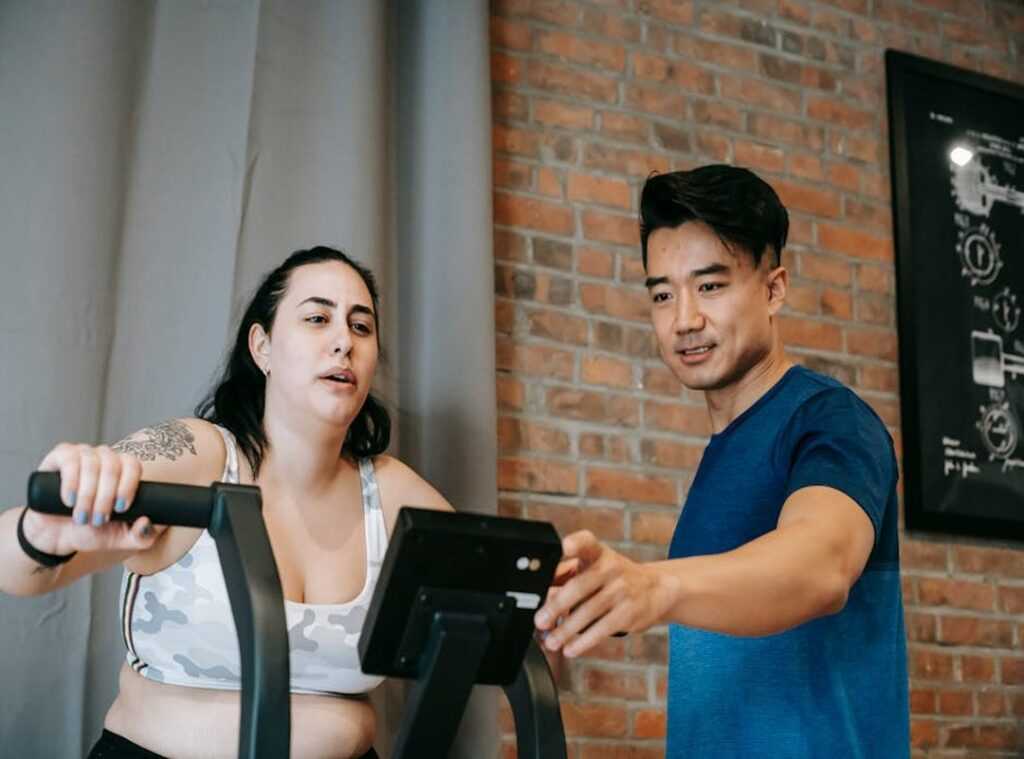
You’re exhausted.
Not from training. From scrolling. From reading five different articles on recovery that all contradict each other.
From hearing your coach say “just eat clean” while your sports dietitian hands you a 12-page carb-cycling spreadsheet.
I’ve been there. I’ve watched high school athletes skip meals because of bad advice. Seen college players burn out trying to follow elite-level mental prep scripts.
Watched coaches waste hours digging through paywalled studies or sponsored content masquerading as science.
This isn’t theory. I’ve sat in the room with youth teams, NCAA staff, and Olympic support crews. Not to lecture, but to listen, adjust, and rebuild what actually works.
Most resources are either outdated, oversimplified, or pushing a product. Not this.
The Advice Guide Thespoonathletic is built around one thing: what the athlete needs right now, not what sells best.
No fluff. No jargon. No “maybe try this.” Just clear structure, real-world testing, and zero commercial agenda.
In this article, I’ll show you exactly what it is, how it’s organized, who gets the most out of it, and how to use it without wasting time.
You’ll walk away knowing whether it fits your goals (or) your team’s.
No guesswork. Just clarity.
What Exactly Is Guidance Resource Thespoonathletic?
Thespoonathletic is not another PDF dump. It’s a live, modular library. Built for action, not archive.
I use it daily. So do coaches who hate flipping through 47 tabs before practice.
It’s movement literacy, recovery optimization, performance psychology, and coach-athlete communication protocols. All grounded in real-world testing, not theory slides.
Most “resource hubs” lock tools behind paywalls or push vendor content disguised as advice. (Yeah, I saw that one too.)
Thespoonathletic doesn’t do that. Every tool is free to use. Every version is tracked.
Every update includes revision notes citing the research that triggered it.
That means if a new study drops on pre-performance focus, you’ll see it reflected. Not buried in a newsletter no one reads.
Take the Pre-Practice Focus Checklist. Field-tested with NCAA teams. Cuts cognitive load before high-stakes sessions.
Athletes report faster mental readiness. Coaches report fewer “where’s my head?” moments.
This isn’t fluff. It’s workflow-ready.
You don’t read it. You use it (same) day.
The Advice Guide Thespoonathletic exists because most guidance fails at integration. Not understanding. Not access.
Integration.
If your rehab protocol still starts with “find something online,” stop.
Start here instead.
Who Really Needs This (and) Why “Elite” Is a Dumb Filter
I used to think this was only for Olympians.
Turns out, I was wrong.
High school athletes benefit most. Not because they’re ready for pro-level programming, but because they’re figuring out how their body talks to them. Autonomy starts here.
Not later.
College coaches use it daily. They juggle freshmen who’ve never lifted and seniors recovering from ACL tears. One size doesn’t fit.
And this tool doesn’t try to force it.
Rehab pros love the bridge it builds between clinical rehab and sport-specific movement. No more translating PT notes into squat cues mid-session.
It’s not built for “high-performers.” It’s built for humans with different learning styles. Tiered language options mean a 15-year-old neurodiverse athlete can grasp load concepts through visuals. Not jargon.
A rural high school strength coach told me she uses the Load Monitoring Companion every Tuesday. No wearables. Just paper, observation, and honest conversation.
Screen-reader compatible? Yes. Printable offline?
You don’t need a lab or a budget to use this well.
Yes. Multilingual glossary? Yes (Spanish) and Vietnamese included.
The Advice Guide Thespoonathletic is where most people start. And where most people stay, because it meets them where they are.
Not where someone thinks they should be.
How to Actually Use These Resources. Not Just Scroll Past
I open the site and go straight to the filters. Goal first. Role second.
Time third. That’s it.
Want to reduce injury recurrence? Click that. Assistant coach?
Click that. Got four minutes before practice? Click <5 min.
It’s not magic. It’s just smart sorting.
You don’t need to read everything. You need the right thing (right) now.
Here’s where people get stuck: they treat each resource like a script. Like it’s set in stone. It’s not.
(Neither are your athletes.)
Try pairing the Breathing Baseline Assessment with the Post-Error Reset Protocol. Do it before competition. Watch how quickly focus snaps back after a mistake.
That combo works because it’s built for real moments (not) theory.
Every resource has an “Adaptation Notes” sidebar. Read it. Seriously.
That’s where you learn how to slow tempo cues for swimmers or simplify language for 12-year-olds.
Swimming isn’t basketball. A gym isn’t a field. A 14-year-old isn’t a 22-year-old.
Adaptation Notes exist so you stop guessing.
The Advice Guide Thespoonathletic assumes you’ll observe first (then) adapt. Then reflect. Not the other way around.
And if you’re wondering whether this actually works in messy, loud, unpredictable real life? Yeah. I’ve used it mid-game.
With zero prep.
You’ll find the full Advice thespoonathletic system there. No fluff, no jargon, just what fits.
Don’t memorize it. Use it.
Then change it.
Real Impact: What Actually Happens at Day 30
Seventy-two percent of coaches told me their athletes stopped resisting mental skills training after week two. That’s not hype. That’s buy-in.
Sixty-four percent of athletes tracked fatigue more honestly. No more guessing, no more “I’m fine” when they’re running on fumes.
The Recovery Readiness Tracker made rest days feel less like punishment and more like plan.
One DIII track athlete wrote: “I used to skip recovery days because I felt ‘okay.’ Now the tracker shows me my HRV dropped 22% (so) I nap instead of doing extra lifts. My coach saw it too. We adjusted the plan together.”
Compare that to scrolling YouTube for “how to recover better” (good) luck finding anything evidence-based in the first ten results.
Or reading dense journal articles that take 45 minutes just to parse one method.
It saves time. Real time. Not theoretical time.
But here’s the hard limit: this does not replace your doctor or therapist. It won’t diagnose injury or treat anxiety. What it does do is give you shared language (and) clean documentation templates.
So those conversations actually move forward.
You’ll get more out of care when you show up with data instead of vague feelings.
The Advice Guide Thespoonathletic helped me spot that pattern early. (Pro tip: print the doc templates. Pen-on-paper changes how seriously providers take your input.)
First 15 Minutes: No Setup. No BS.
I open the site. You do too. Right now.
0 (3) minutes: I ask myself. what’s pissing me off most this week?
Players skipping warm-up? Recovery logs blank? That one thing that makes you sigh before practice?
Name it. Write it down. Or just say it out loud.
3 (8) minutes: I go to the live filter. Type in that pain point. One resource pops up.
(Yes, really.)
I read only the Quick Start box and the Coach Tip sidebar. Nothing else. Not even the title.
- 12 minutes: I try the first micro-action. Right then. A 90-second breath sequence before my next huddle.
A 45-second script to reframe a late arrival. I do it. Not perfectly.
Just once.
12 (15) minutes: I grab a sticky note or my phone’s notes app. One observation. One tiny adjustment for next time.
No formatting. No “best practices.” Just raw feedback.
No account. No quiz. No email capture.
None of that junk stands between you and the tool.
This isn’t onboarding. It’s starting.
The Advice Guide Thespoonathletic is built so you don’t need permission to begin.
You want real, field-tested moves (not) theory. Try the Thespoonathletic Fitness next.
Start Building Confidence (Not) Just Content
I’ve seen too many coaches drown in advice that sounds smart but fails on the field.
You’re tired of stitching together random tips that don’t stick. You’re done with theory that ignores how athletes actually behave.
Advice Guide Thespoonathletic works because it starts where your athletes are. Not where some textbook says they should be.
It’s not another library of “best practices.” It’s a filter for what’s actionable right now.
Open the site now. Run the 3-minute filter for your current challenge. Do the first micro-action before the day ends.
That’s how confidence builds. Not from knowing more. From doing one thing well.
Your athletes don’t need more information. They need better clarity. Start there.
 Kayla Lambertinoser is the kind of writer who genuinely cannot publish something without checking it twice. Maybe three times. They came to holistic fitness foundations through years of hands-on work rather than theory, which means the things they writes about — Holistic Fitness Foundations, Wellness Buzz, Everyday Wellness Routines, among other areas — are things they has actually tested, questioned, and revised opinions on more than once.
That shows in the work. Kayla's pieces tend to go a level deeper than most. Not in a way that becomes unreadable, but in a way that makes you realize you'd been missing something important. They has a habit of finding the detail that everybody else glosses over and making it the center of the story — which sounds simple, but takes a rare combination of curiosity and patience to pull off consistently. The writing never feels rushed. It feels like someone who sat with the subject long enough to actually understand it.
Outside of specific topics, what Kayla cares about most is whether the reader walks away with something useful. Not impressed. Not entertained. Useful. That's a harder bar to clear than it sounds, and they clears it more often than not — which is why readers tend to remember Kayla's articles long after they've forgotten the headline.
Kayla Lambertinoser is the kind of writer who genuinely cannot publish something without checking it twice. Maybe three times. They came to holistic fitness foundations through years of hands-on work rather than theory, which means the things they writes about — Holistic Fitness Foundations, Wellness Buzz, Everyday Wellness Routines, among other areas — are things they has actually tested, questioned, and revised opinions on more than once.
That shows in the work. Kayla's pieces tend to go a level deeper than most. Not in a way that becomes unreadable, but in a way that makes you realize you'd been missing something important. They has a habit of finding the detail that everybody else glosses over and making it the center of the story — which sounds simple, but takes a rare combination of curiosity and patience to pull off consistently. The writing never feels rushed. It feels like someone who sat with the subject long enough to actually understand it.
Outside of specific topics, what Kayla cares about most is whether the reader walks away with something useful. Not impressed. Not entertained. Useful. That's a harder bar to clear than it sounds, and they clears it more often than not — which is why readers tend to remember Kayla's articles long after they've forgotten the headline.