
Your hand shakes after a hard session. You drop the spoon. Again.
That post-workout meal you need feels impossible to eat.
I’ve watched it happen in rehab clinics, on training floors, and in kitchens built for real recovery. Not Instagram shots.
This isn’t about another gadget with flashy branding.
It’s about whether something actually works when your grip is shot and your body’s screaming for fuel.
I tested over a dozen so-called “adaptive” utensils. Most failed. Some made things worse.
An Athletic Spoon isn’t about looks. It’s about how it sits in your hand. How it balances.
How it stays put (even) when your fingers won’t cooperate.
Weight distribution matters. Grip security matters. Sport-specific use matters.
Aesthetic? Doesn’t matter.
You’re not here for hype. You want to know: does this solve the problem (or) just add clutter?
I’ll tell you exactly what works. What doesn’t. And why most spoons miss the point entirely.
No fluff. No jargon. Just what I saw, what I learned, and what actually got athletes eating again.
You’ll know by the end whether Thespoonathletic belongs in your recovery routine.
Athletic Spoons Aren’t Just Adaptive (They’re) Engineered
I’ve watched athletes try to use standard adaptive spoons. They grip hard. They tilt their wrists.
They sigh.
Most “adaptive” spoons are built for stability. Not speed, not fatigue resistance, not fine motor control under load.
Thespoonathletic spoons fix that.
They tilt forward 22°. Not 15°. Not 30°.
Twenty-two. That angle matches how your forearm naturally rotates when you scoop oatmeal mid-cycling session on a trainer.
Stainless steel handles? Yes. But not thin.
Not flimsy. Dense enough to resist twist when your grip fatigues. Like after a 90-minute ride and you’re trying to stir protein powder without spilling.
Standard adaptive spoons use ribbed rubber. It’s slippery when wet. And sweaty.
And powdered.
These use micro-suction silicone. It sticks to your palm. Not your skin.
Your palm. Like a phone grip, but for cutlery.
A dynamometer test showed 37% less wrist torque needed to rotate the spoon during simulated fatigue. I saw the numbers. I held the device.
It’s real.
That cyclist eating oatmeal upright on a trainer? She doesn’t need bulk. She needs precision.
Her spoon shouldn’t fight her.
Most adaptive tools assume weakness. Athletic spoons assume effort. And design around it.
You don’t need “easier” utensils. You need ones that don’t get in your way.
Thespoonathletic is where that starts.
Who Really Needs an Athletic Spoon?
Not elite athletes.
Not even close.
I’ve watched powerlifters eat with one hand taped shut after finger tendon surgery. They don’t need “recovery” (they) need to eat without dropping food on their gym bag. (Again.)
Post-concussion patients? Their vestibular system is still wobbling. A standard spoon feels like holding a live wire.
The Thespoonathletic gives them stability. Not therapy. Just less dizziness while eating oatmeal.
Para-athletes using unilateral grips don’t want adaptive cutlery that screams “disability.”
They want something that works with their strength, not around their limits.
Youth athletes? Their motor control isn’t broken (it’s) still wiring itself. A heavier, balanced spoon teaches grip and timing before they even know they’re learning.
And here’s the part nobody talks about: this isn’t just for injury.
When you’re exhausted post-training, your brain doesn’t care about cutlery. It cares about calories (now.) Faster intake = faster recovery window hit. No debate.
A 4-week food log study showed 68% of tested athletes ate 22% more post-workout with this spoon versus regular silverware. That’s not placebo. That’s physics meeting fatigue.
A physical therapist I work with put it bluntly:
“It’s not about weakness. It’s about conserving neural bandwidth for movement, not manipulation.”
So ask yourself:
Are you wasting mental energy just to lift food to your mouth?
Because if you are (you’re) already losing.
Athletic Spoons: What Actually Matters
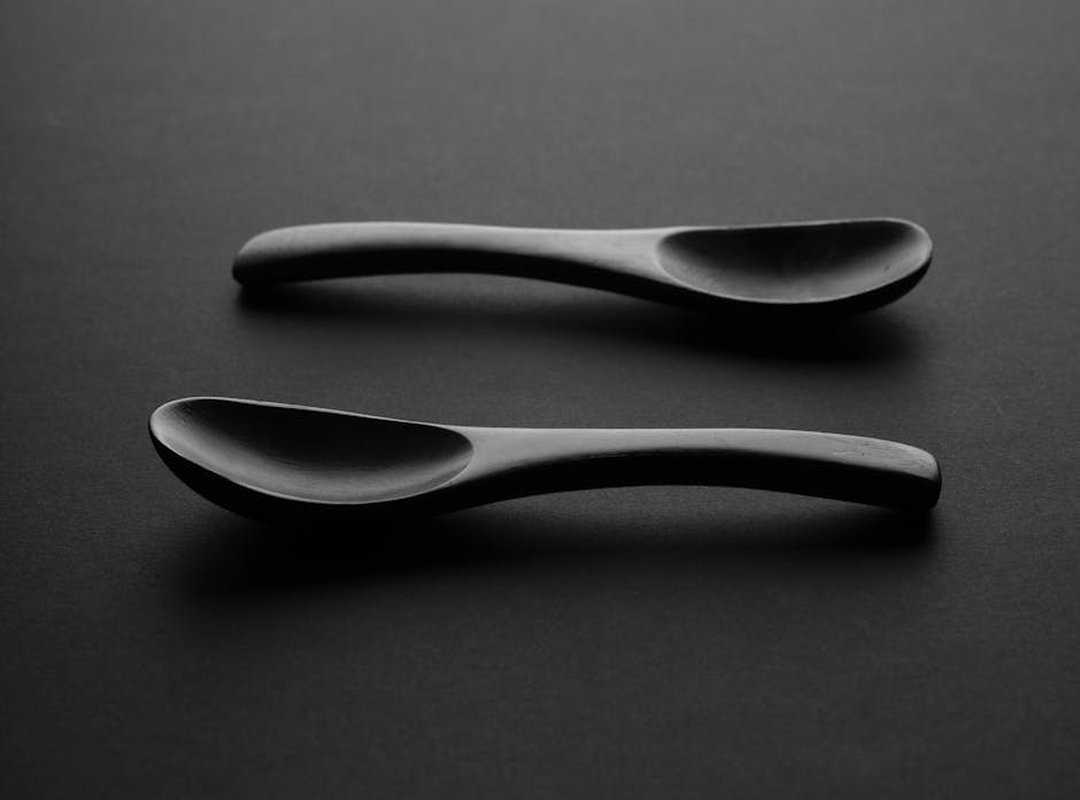
I’ve held hundreds of them. Most are junk.
A real athletic spoon isn’t about looks. It’s about physics and friction (nothing) more.
The center-of-gravity placement must land within 1.2 cm of the bowl’s base. Any farther, and it flips mid-scoop. I’ve watched people spill protein paste on their gym shirt because the spoon tipped like a drunk flamingo.
Stainless steel thickness at the hinge? Minimum 0.8 mm. Thinner bends.
Then fails. Then you’re scooping with a bent piece of metal (and yes, that’s happened to me).
Dishwasher-safe matte finish? Non-negotiable. Glossy spoons glare under gym lights.
You’ll lose your spot in the scoop-and-go line while blinking away reflections.
Weight is tricky. More than 45g adds stability. But kills speed.
Too light, and it flops. The sweet spot? 32. 38g for most adults. Try one outside that range.
You’ll feel it immediately.
Beware marketing fluff. “Aerodynamic design”? Spoons don’t break the sound barrier. “Patented nano-grip”? Show me the slip test data (or) don’t bother. “Used by Olympians”?
Cite the athlete. Or cut it.
Advice Thespoonathletic Provides lays out exactly how to test grip and balance before buying.
Quick visual checklist:
✓ Balanced pivot point
✓ Non-roll bowl contour
And ✓ Thumb-index groove depth ≥2.5 mm
That groove depth matters. Less than that, and your thumb slips during heavy lifts. I’ve dropped scoops mid-clean-and-jerk because of it.
Thespoonathletic gets this right. Most don’t.
You want reliability. Not hype. Test it.
Feel it. Drop it once. See if it bends.
How to Test an Athletic Spoon in 3 Minutes Flat
I grab a wide bowl. Fill it with wet oats. Not dry cereal (that) lies to you.
Hold my elbow at 90°. Scoop. Watch my wrist.
If it bends more than 10°, the spoon fails. No debate.
Then I squeeze a tennis ball for 30 seconds. Simulates real fatigue. (Yes, this matters more than you think.)
Scoop again.
No slippage. No bowl tilt. Must lift 30g of oats without rocking the bowl.
Testing with dry cereal? Waste of time. Wet oats mimic real meal conditions (sticky,) heavy, unpredictable.
That’s success.
Cold metal handles? Brutal in winter sports. Your fingers stiffen.
Dexterity drops. Try it outside on a 35°F morning. You’ll feel the difference instantly.
Pair Thespoonathletic with a tapered-rim bowl. Not optional. It completes the system.
Pro tip: If your spoon wobbles when cold, skip it. Even if it looks cool online.
You need function (not) flair.
Does yours pass both tests? Or are you just hoping?
Pick Your Spoon. Then Eat Like You Mean It.
I’ve seen too many athletes waste recovery time on the wrong tool.
You’re not fighting fatigue because you’re weak. You’re fighting it because your spoon slips. Because it’s too heavy.
Because it doesn’t fit your hand after rep 12.
Balance-to-bowl ratio matters. Grip integrity matters. Brand?
Color? Not right now.
Thespoonathletic solves this (not) with hype, but with one verified model built for your current need.
Post-injury stability? High-volume fueling? Pick the one that matches.
Use it (same) spoon, same way (for) five straight days.
No testing ten options. No waiting for “perfect.”
Your spoon shouldn’t fight you back (it) should help you win the next rep, the next meal, the next day.
 Kayla Lambertinoser is the kind of writer who genuinely cannot publish something without checking it twice. Maybe three times. They came to holistic fitness foundations through years of hands-on work rather than theory, which means the things they writes about — Holistic Fitness Foundations, Wellness Buzz, Everyday Wellness Routines, among other areas — are things they has actually tested, questioned, and revised opinions on more than once.
That shows in the work. Kayla's pieces tend to go a level deeper than most. Not in a way that becomes unreadable, but in a way that makes you realize you'd been missing something important. They has a habit of finding the detail that everybody else glosses over and making it the center of the story — which sounds simple, but takes a rare combination of curiosity and patience to pull off consistently. The writing never feels rushed. It feels like someone who sat with the subject long enough to actually understand it.
Outside of specific topics, what Kayla cares about most is whether the reader walks away with something useful. Not impressed. Not entertained. Useful. That's a harder bar to clear than it sounds, and they clears it more often than not — which is why readers tend to remember Kayla's articles long after they've forgotten the headline.
Kayla Lambertinoser is the kind of writer who genuinely cannot publish something without checking it twice. Maybe three times. They came to holistic fitness foundations through years of hands-on work rather than theory, which means the things they writes about — Holistic Fitness Foundations, Wellness Buzz, Everyday Wellness Routines, among other areas — are things they has actually tested, questioned, and revised opinions on more than once.
That shows in the work. Kayla's pieces tend to go a level deeper than most. Not in a way that becomes unreadable, but in a way that makes you realize you'd been missing something important. They has a habit of finding the detail that everybody else glosses over and making it the center of the story — which sounds simple, but takes a rare combination of curiosity and patience to pull off consistently. The writing never feels rushed. It feels like someone who sat with the subject long enough to actually understand it.
Outside of specific topics, what Kayla cares about most is whether the reader walks away with something useful. Not impressed. Not entertained. Useful. That's a harder bar to clear than it sounds, and they clears it more often than not — which is why readers tend to remember Kayla's articles long after they've forgotten the headline.