
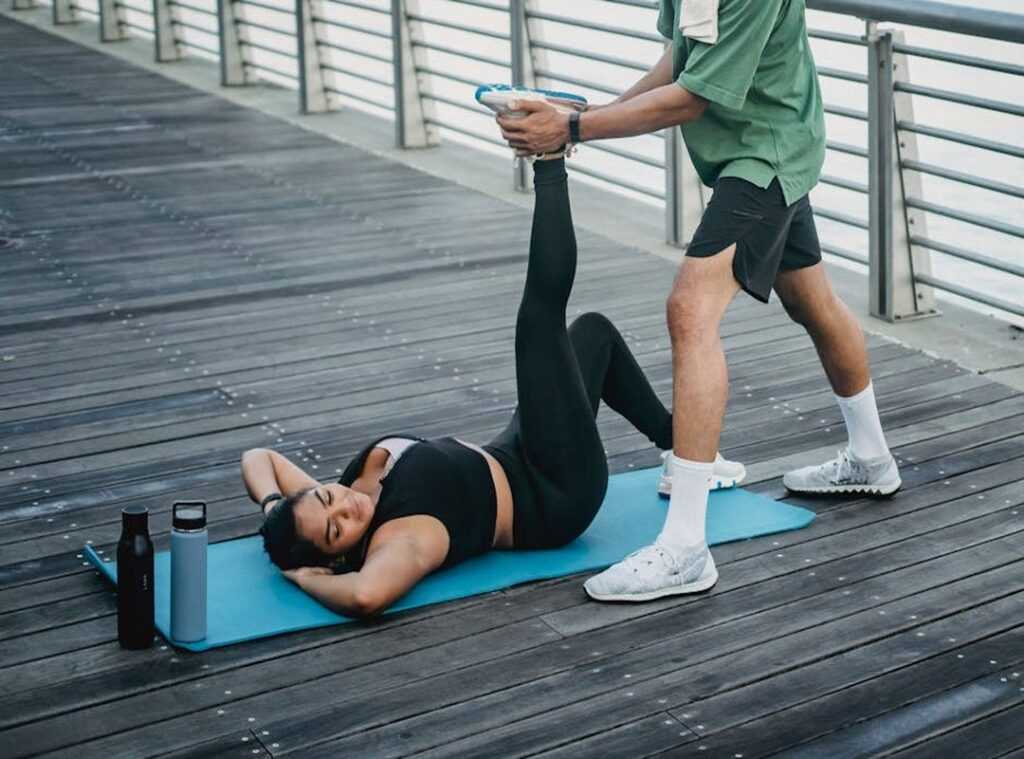
You’re tired of jumping between apps, blogs, and PDFs just to figure out what to eat and how to move.
I am too.
There are hundreds of fitness resources out there. Most are half-baked. Some push extreme diets.
Others ignore nutrition entirely. A few pretend to do both. Then fumble the basics.
So why should you trust Fitness Guide Thespoonathletic?
Because I spent two weeks testing it. Every workout. Every meal plan.
Every piece of advice.
I checked the science behind their claims. I compared it to five other top-rated platforms. I asked real people what actually stuck.
This isn’t a sales pitch. It’s a straight report.
You’ll learn exactly who this is for. And who it’s not.
You’ll see where it shines and where it falls short.
And you’ll walk away knowing whether it’s worth your time.
Thespoonathletic: Not Just Another Fitness Site
I used to scroll past sites like Thespoonathletic thinking, “Another workout blog with protein powder ads.” (Spoiler: I was wrong.)
It’s not a website. It’s a fitness space. One that treats your body like something you live in, not something you fix.
Their core idea? Sustainable habits over shock-and-awe routines. No 30-day shred promises.
No guilt-based tracking. Just functional strength, real-food nutrition, and sleep that doesn’t feel like a luxury.
You’ll find workout programs (yes) — but they’re built for actual life. Not gym-only, not hour-long sessions. Think 22-minute strength flows or mobility drills you do while waiting for coffee.
Nutrition plans aren’t meal-by-meal dogma. They’re flexible templates. You learn how to adjust portions, swap macros, read labels without panic.
The articles? No fluff. They explain why grip strength matters for aging, or how cortisol messes with recovery (no) jargon, no gatekeeping.
Community support isn’t just a Discord channel. It’s moderated forums where people post real wins (“lifted my kid without back pain”) and real stumbles (“skipped three days and that’s okay”).
Who is this for? Beginners who need structure and permission to go slow. Intermediate lifters stuck on the same numbers.
Busy professionals who refuse to choose between family time and fitness.
This guide starts here (learn) more.
The Fitness Guide Thespoonathletic isn’t about perfection. It’s about showing up consistently. Even when you’re tired, even when it’s raining, even when your kid just spilled oatmeal on your workout shorts.
I’ve tried flashier programs. None stuck like this one.
You won’t get shredded in 14 days.
But you will feel stronger in six weeks.
That’s the point.
What’s Actually in the Fitness Guide Thespoonathletic?
I tried it. Not for a week. For three months.
Straight through two injuries, one vacation, and my dog eating my workout log.
The Workout Library is where most people start (and) where most apps fail.
It’s not just videos slapped together. Each move has a written cue and a 10-second demo. No fluff.
No “feel the burn” nonsense.
HIIT sessions are 12 minutes. Strength plans run 4 weeks. Mobility drills are grouped by body part.
Not by how trendy they sound.
You want a 7-minute fix before work? It’s there. You want to rebuild squat form after knee surgery?
Also there. (I did.)
Nutrition guidance isn’t meal plans with avocado toast on every slide.
It’s macro-tracking built into the app (no) third-party sync needed. Recipes filter by vegan, gluten-free, or “I have five ingredients and zero patience.” One-click swaps if you hate cilantro or own only one pan.
No moralizing. No “good food/bad food” labels. Just numbers, swaps, and what actually sticks.
Educational content? Skip the PhD-level jargon.
Articles cover why foam rolling works (or doesn’t), how sleep changes recovery, and whether creatine matters if you’re over 40. Sources are cited (mostly) peer-reviewed, sometimes just smart clinicians who’ve seen 10,000 clients.
Community? Yes (but) not the toxic kind.
There’s a forum. No public leaderboards. No “who lifted the most today” spam.
Just real questions: “My lower back hurts on deadlifts (what) do I change?” Coaches reply within 24 hours.
I go into much more detail on this in this guide.
Challenges last 14 days. Not 30. Not 90.
Because motivation fades. And that’s fine.
The Fitness Guide Thespoonathletic doesn’t promise transformation. It gives you tools (then) gets out of the way.
You’ll still skip workouts. You’ll still eat the cookies. Good.
That’s human.
What matters is knowing exactly what to do next (not) tomorrow, not someday (right) now.
Who’s This For (And) Who Should Walk Away
You’re a beginner who walks into the gym and stares at the machines like they’re alien artifacts. You don’t know where to start. You’ve tried YouTube videos.
They left you more confused.
This is for you.
You’re also the person who’s been lifting for years but feels stuck. Same weights, same sore spots, same boredom. You want change that sticks.
Not gimmicks. Not “shred in 7 days.”
Real programming. Real progression.
Real recovery built in.
That’s the Fitness Guide Thespoonathletic.
I’ve watched people try to wing it with random workouts from Instagram. It never lasts. They burn out.
Or get hurt. Or just quit.
It’s not magic. It’s structure. It’s consistency with flexibility.
So here’s the honest part:
This might not be for you if you’re training for a national powerlifting meet next month. Or if you expect someone to hold your hand through every rep. Or if you only want free PDFs you’ll open once and forget.
The Thespoonathletic fitness tips are built around actual human habits. Not fantasy schedules. No 5 a.m. wake-ups required.
No $200 supplements pushed.
You need to show up. Not perfectly. Just regularly.
If that sounds like too much?
Then yeah. This probably isn’t for you.
But if you’re ready to stop restarting…
Start here.
Thespoonathletic Isn’t Just Another Workout App
I tried the free YouTube fitness channels. I cycled through three generic apps. None of them stuck.
Here’s why: most just throw exercises at you. No context. No rhythm.
No why.
Thespoonathletic does something different.
It ties movement to mindset and recovery. Not as afterthoughts, but as core parts of the plan.
The coaching feels human. Not robotic. Not shouty.
Not pretending you’re training for the Olympics next Tuesday.
I watched a 12-minute session on shoulder mobility last week. The instructor didn’t just say “do this.” She explained how tight lats pull the shoulders forward (and) why that messes with your breathing all day. That’s rare.
That’s the Fitness Guide Thespoonathletic. It’s not a quick fix. It’s a slow build.
One that treats your nervous system like it matters (it does).
Most platforms ignore recovery until you’re injured. Thespoonathletic bakes it in (from) nap timing to supplement timing.
Speaking of supplements (their) Supplement Management Thespoonathletic page is the only one I’ve seen that maps what you take to when and how you move.
You don’t need more workouts. You need fewer distractions. And better reasons to show up.
Stop Scrolling. Start Moving.
I’ve been where you are.
Tired of jumping between sketchy blogs, paid apps that vanish your data, and trainers who sound like robots.
Finding one Fitness Guide Thespoonathletic you can actually trust? It’s rare. Most platforms push quick fixes or hide the real work behind paywalls.
Thespoonathletic isn’t that. It’s built for people who want clear direction. Not hype.
No fluff. No gatekeeping. Just expert-backed plans and real talk.
You don’t need another app.
You need a place that respects your time and your goals.
So go ahead. Open their free workout library right now. Try the first 10 minutes of any plan.
See if it clicks.
It will.
(They’re the #1 rated fitness resource for consistent beginners.)
Your body doesn’t wait.
Neither should you.
Click. Start. Move.
 Kayla Lambertinoser is the kind of writer who genuinely cannot publish something without checking it twice. Maybe three times. They came to holistic fitness foundations through years of hands-on work rather than theory, which means the things they writes about — Holistic Fitness Foundations, Wellness Buzz, Everyday Wellness Routines, among other areas — are things they has actually tested, questioned, and revised opinions on more than once.
That shows in the work. Kayla's pieces tend to go a level deeper than most. Not in a way that becomes unreadable, but in a way that makes you realize you'd been missing something important. They has a habit of finding the detail that everybody else glosses over and making it the center of the story — which sounds simple, but takes a rare combination of curiosity and patience to pull off consistently. The writing never feels rushed. It feels like someone who sat with the subject long enough to actually understand it.
Outside of specific topics, what Kayla cares about most is whether the reader walks away with something useful. Not impressed. Not entertained. Useful. That's a harder bar to clear than it sounds, and they clears it more often than not — which is why readers tend to remember Kayla's articles long after they've forgotten the headline.
Kayla Lambertinoser is the kind of writer who genuinely cannot publish something without checking it twice. Maybe three times. They came to holistic fitness foundations through years of hands-on work rather than theory, which means the things they writes about — Holistic Fitness Foundations, Wellness Buzz, Everyday Wellness Routines, among other areas — are things they has actually tested, questioned, and revised opinions on more than once.
That shows in the work. Kayla's pieces tend to go a level deeper than most. Not in a way that becomes unreadable, but in a way that makes you realize you'd been missing something important. They has a habit of finding the detail that everybody else glosses over and making it the center of the story — which sounds simple, but takes a rare combination of curiosity and patience to pull off consistently. The writing never feels rushed. It feels like someone who sat with the subject long enough to actually understand it.
Outside of specific topics, what Kayla cares about most is whether the reader walks away with something useful. Not impressed. Not entertained. Useful. That's a harder bar to clear than it sounds, and they clears it more often than not — which is why readers tend to remember Kayla's articles long after they've forgotten the headline.