
I get it, and height and weight can be confusing. You might be wondering, how do I measure them right?
And why does it even matter, and well, let’s dive in. This article will help you understand feid altura y peso and why it’s important for your health.
Trust me, I’ve been there too. We’ll cover the basics, give you some practical tips, and make sure you know exactly what you need to do. Ready?
Let’s go.
Defining Height and Weight
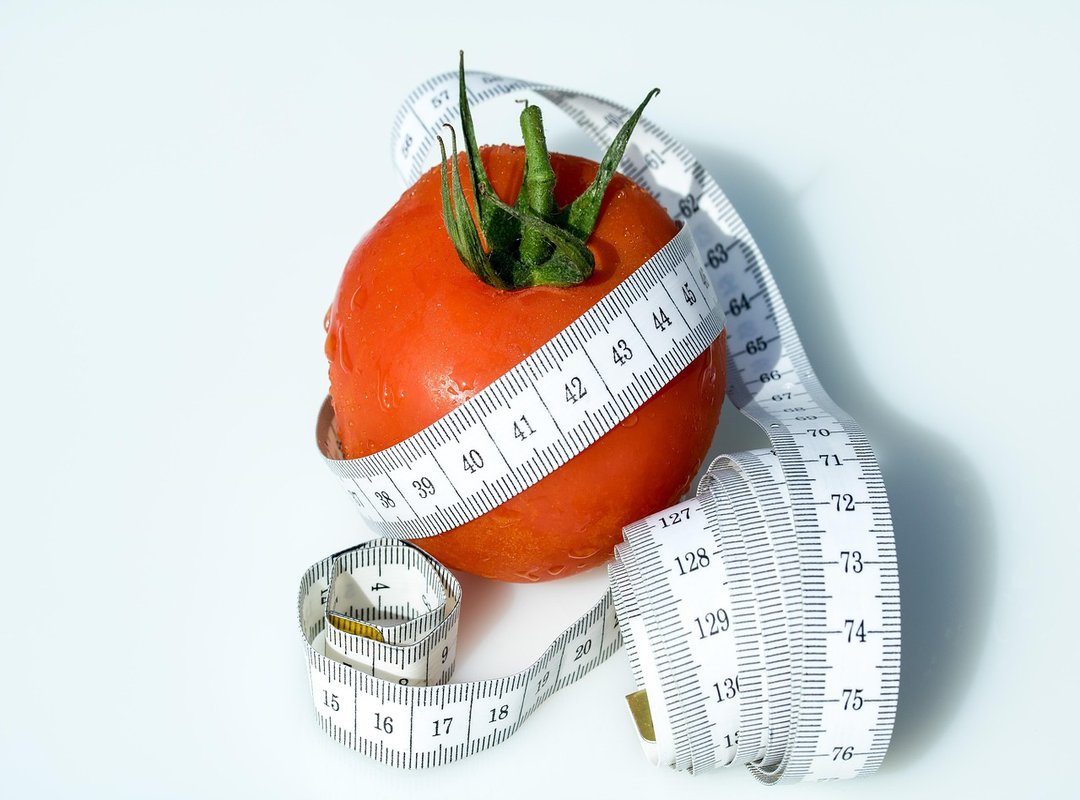
Height is how tall you are. It’s measured from the bottom of your feet to the top of your head. Usually, it’s done with a measuring tape or a height-measuring device at a doctor’s office.
Weight is how heavy you are, and it’s measured using a scale. You step on it, and it tells you how much you weigh.
For height, common units are inches and centimeters. In the US, we mostly use inches. But in other places, centimeters are more common.
When it comes to weight, pounds and kilograms are the usual units. Pounds are used in the US, while most other countries use kilograms.
Understanding these measurements is key, especially if you’re dealing with feid altura y peso. Knowing the right units can help you avoid confusion and make sure you get accurate readings.
How to Measure Height
I remember the first time I tried to measure my kid’s height. It was a mess. The tape kept slipping, and we ended up with a crooked line on the wall.
Let’s avoid that.
Tools Needed
- Measuring tape
- Stadiometer (if you have one)
Step-by-Step Guide
First, find a flat, even surface. Stand against a wall, making sure your heels, back, and head are touching it.
Stand straight and look straight ahead.
If you’re using a measuring tape, place it at the base of the floor and extend it up to the top of your head.
For a stadiometer, adjust the sliding bar until it rests gently on the top of your head.
Read the measurement where the tape or bar meets the wall.
Common Mistakes
One common mistake is not standing straight, and slouching can give you an inaccurate reading.
Another is not ensuring the measuring tool is level. A tilted tape can throw off your measurement by inches.
And don’t forget to remove any bulky clothing or shoes. They can add extra height that isn’t really there.
Measuring height accurately is simple once you know the tricks. Just take your time and follow the steps. Feid altura y peso can be a bit tricky, but with practice, you’ll get it right.
How to Measure Weight
Tools Needed
To measure weight, you’ll need a few basic tools. Scales and digital scales are the most common. Digital scales are more accurate and easier to read, but traditional scales can work just fine too.
Step-by-Step Guide
First, place your scale on a flat, stable surface. Make sure it’s level. If it’s a digital scale, turn it on and wait for it to zero out.
This ensures you get an accurate reading.
Step on the scale gently. Stand still and wait for the reading to stabilize. For the best results, do this in the morning before you eat or drink anything. feid altura y
Common Mistakes
One common mistake is not placing the scale on a flat surface. This can lead to inaccurate readings. Another mistake is weighing yourself at different times of the day.
Your weight can fluctuate throughout the day, so consistency is key.
Understanding how to measure weight accurately can help you track your health and fitness goals more effectively. It’s all about getting reliable data to make informed decisions.
Feid altura y peso is a term used in some contexts, but the focus here is on weight. Accurate weight measurements can help you stay on top of your health and make necessary adjustments to your lifestyle.
Importance of Height and Weight
I remember when my kid was growing up, the doctor always checked their feid altura y peso at every visit. It seemed like a simple routine, but it’s actually a big deal.
Height and weight are key health indicators. They can tell you a lot about a person’s overall well-being.
BMI Calculation
One way doctors use this data is through the Body Mass Index (BMI). It’s a formula that compares your weight to your height.
BMI helps identify if someone is underweight, normal weight, overweight, or obese. It’s not perfect, but it gives a good starting point for health discussions.
Growth and Development
For kids, tracking height and weight is even more important. It helps monitor their growth and development.
If a child isn’t growing as expected, it might signal a health issue. Doctors can then step in early and make sure everything’s on track.
In my experience, staying on top of these numbers has been a real eye-opener. It’s helped us catch and address issues before they became bigger problems.
FAQs About Height and Weight
Q: How often should I measure my height and weight?
You don’t need to measure your height and weight every day. Once a month is usually enough. This helps you track changes without getting too caught up in daily fluctuations.
Q: Can height and weight change over time?
Absolutely. Weight can fluctuate due to diet, exercise, and overall health. Height can also change, especially as you age.
For example, people can lose up to 1-2 inches in height as they get older due to factors like spinal compression.
Q: What are the ideal height and weight ranges?
Ideal height and weight ranges vary by age, sex, and other factors. A common tool is the Body Mass Index (BMI), which provides a general guideline. However, it’s not perfect and doesn’t account for muscle mass or body composition.
Q: How do genetics play a role in height and weight?
Genetics play a significant role. Studies show that about 80% of your height is determined by your genes. Similarly, your weight can be influenced by genetic factors, but lifestyle choices like diet and exercise have a big impact too.
feid altura y peso is a term used in some contexts, but it’s important to focus on the broader picture of how these measurements can change and what they mean for your health.
Mastering the Basics of Height and Weight
Understanding feid altura y peso is fundamental to assessing one’s physical health. Accurate measurement of height and weight provides essential data for calculating Body Mass Index (BMI). Regular monitoring helps in tracking changes over time, which is crucial for maintaining a healthy lifestyle.
Always use reliable scales and measuring tools to ensure precision. This practice can help in early detection of potential health issues. Stay informed and proactive about your measurements to support your overall well-being.
 There is a specific skill involved in explaining something clearly — one that is completely separate from actually knowing the subject. Anthony Morrisaverils has both. They has spent years working with mind-body health strategies in a hands-on capacity, and an equal amount of time figuring out how to translate that experience into writing that people with different backgrounds can actually absorb and use.
Anthony tends to approach complex subjects — Mind-Body Health Strategies, Everyday Wellness Routines, Insightful Reads being good examples — by starting with what the reader already knows, then building outward from there rather than dropping them in the deep end. It sounds like a small thing. In practice it makes a significant difference in whether someone finishes the article or abandons it halfway through. They is also good at knowing when to stop — a surprisingly underrated skill. Some writers bury useful information under so many caveats and qualifications that the point disappears. Anthony knows where the point is and gets there without too many detours.
The practical effect of all this is that people who read Anthony's work tend to come away actually capable of doing something with it. Not just vaguely informed — actually capable. For a writer working in mind-body health strategies, that is probably the best possible outcome, and it's the standard Anthony holds they's own work to.
There is a specific skill involved in explaining something clearly — one that is completely separate from actually knowing the subject. Anthony Morrisaverils has both. They has spent years working with mind-body health strategies in a hands-on capacity, and an equal amount of time figuring out how to translate that experience into writing that people with different backgrounds can actually absorb and use.
Anthony tends to approach complex subjects — Mind-Body Health Strategies, Everyday Wellness Routines, Insightful Reads being good examples — by starting with what the reader already knows, then building outward from there rather than dropping them in the deep end. It sounds like a small thing. In practice it makes a significant difference in whether someone finishes the article or abandons it halfway through. They is also good at knowing when to stop — a surprisingly underrated skill. Some writers bury useful information under so many caveats and qualifications that the point disappears. Anthony knows where the point is and gets there without too many detours.
The practical effect of all this is that people who read Anthony's work tend to come away actually capable of doing something with it. Not just vaguely informed — actually capable. For a writer working in mind-body health strategies, that is probably the best possible outcome, and it's the standard Anthony holds they's own work to.