
You just laced up your sneakers after six months off.
And now you’re standing there wondering: Where do I even start? What’s actually improved? What’s just wishful thinking?
I’ve been there. So have most of the people I work with.
They show up ready to move (but) they don’t know how to measure what matters.
BMI? Useless on its own. Mirror checks?
Too subjective. That scale number? It lies more often than it tells the truth.
I’ve spent years building and refining real-world fitness assessments.
Not lab tests. Not apps that demand $200 wearables.
Just five practical, equipment-light ways to check where you stand (right) now.
We look at how your body moves. How your heart handles effort. How strong you are for daily life.
How flexible you really are. And how aware you are of your own body composition. Not as a number, but as feedback.
No fluff. No jargon. No guesswork.
This isn’t theory. It’s what works in gyms, living rooms, and community centers across the country.
You’ll walk away knowing exactly which of these five methods fits your goals (and) how to use them consistently.
That’s what How to Check Body Fitness Thespoonathletic actually means.
Not a test. A tool. One you can use tomorrow.
The Functional Movement Screen: What Your Body Actually Does
I don’t care how much weight you lift.
I care if you can squat without your knees caving in.
The Functional Movement Screen isn’t about maxing out. It’s about watching what your body actually does under simple load. Not what it should do.
Not what Instagram says it does.
Five patterns matter most: squat, lunge, push, pull, rotational stability. Isolated muscle tests? Useless.
Your body doesn’t move that way in real life. (You don’t bicep-curl your groceries.)
Try this at home right now:
- Wall squat (heels) down, back flat, knees over toes. No collapse. – Single-leg balance. 30 seconds each side. No wobbling, no trunk rotation.
If you fail any of those, it’s not “bad fitness.” It’s a signal. A mobility gap. A stability leak.
Can’t touch your toes? That doesn’t mean you’re unfit. It means your nervous system won’t let you go there.
Maybe due to tight hamstrings, stiff ankles, or poor core control.
Poor movement quality stacks up. It shows up as low back pain when you pick up your kid. Or knee soreness after walking the dog.
How to Check Body Fitness Thespoonathletic starts here (not) with heart rate zones or calorie counts. With observation.
I’ve seen people train hard for months, then fail the wall squat test. Their strength was real. Their movement wasn’t.
Fix the pattern first. Then add load.
The Step Test: Your Heart’s Truth Serum
I do this test every six weeks. Not because I love stepping up and down. But because it tells me what my heart is really doing.
Grab a 12-inch step. Set a metronome or app to 96 bpm. Step up-up-down-down for three full minutes.
No hopping. No leaning. Just steady rhythm.
Like marching in place on a box.
Your legs will burn. Your breath will hitch. That’s normal.
(And yes, it feels dumb the first time.)
Stop. Sit. Take your pulse immediately.
Then again at 60 seconds.
A drop of ≥25 bpm in that first minute? Good sign. Under 12?
Time to pay attention.
This isn’t VO₂ max. It doesn’t measure how much oxygen you can use at peak effort. It measures how fast your body recovers.
That’s where real fitness lives.
Can’t step? Walk fast for six minutes instead. Track distance and how hard it felt (use) the Borg scale (6 (20).) A mile in 8 minutes and rating it a 13?
That’s solid.
Repeat every 4. 6 weeks. Same shoes. Same time of day.
Same step. Day-to-day variation lies. Trends don’t.
How to Check Body Fitness Thespoonathletic starts here. Not with apps or wearables, but with your own pulse and a timer.
You’ll feel the difference before the numbers catch up.
Real Strength Isn’t Measured in Maxes
Functional strength means lifting your kid. Carrying groceries up stairs. Holding a suitcase while fumbling for keys.
Not how much you can deadlift once.
I stopped caring about one-rep maxes years ago. They’re noisy. Misleading.
Mostly useless outside the platform.
Here’s what actually matters:
Bodyweight squat: 20 clean reps. No bouncing. Chest up.
Push-up: 12+ with full range (chest) to floor, elbows at 45°. Plank hold: 90+ seconds. No sagging hips.
No shaking (much). Farmer’s carry: 30 seconds with 25% of your bodyweight in each hand.
Beginners scale down. Incline push-ups, bent-knee planks, goblet squats with light weight. Progress only when form stays locked in.
Not before.
Why these four? Because they test neuromuscular endurance and joint stability. Not just raw power.
Reps-to-failure is garbage data. Timed, standardized benchmarks show real progress.
Test every six weeks. Not weekly. Your body doesn’t change that fast (and) daily fluctuations lie.
You’re probably wondering How to Check Body Fitness Thespoonathletic. Good question. That’s where consistency beats intensity every time.
I track mine on paper. No app. Just dates, numbers, notes.
Simple.
The Fitness Tip of nails this mindset. Practical, repeatable, human.
Skip the ego lifts. Build what you actually use.
Flexibility vs Mobility: What Your Body Actually Cares About
Static flexibility is how far you can be pushed.
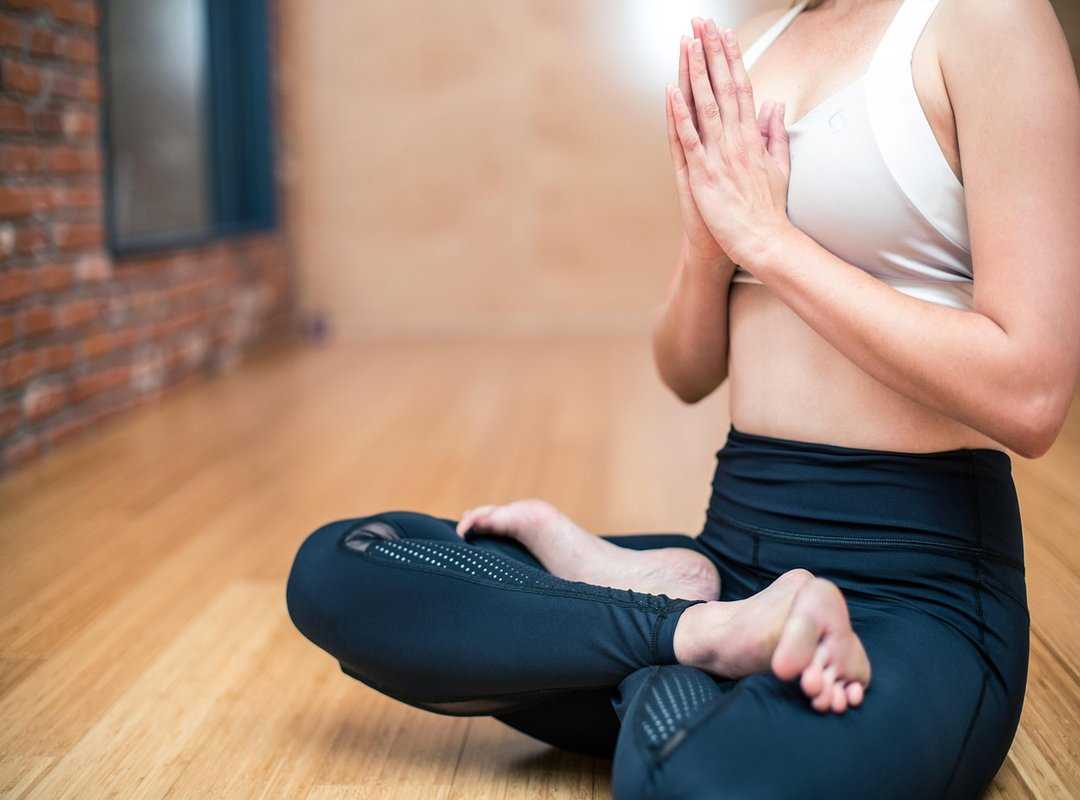
Active mobility is how far you can move yourself (and) control it.
I care about mobility way more. (Because passive stretch doesn’t stop your back from rounding on a heavy squat.)
You don’t need gear to test either. Just your body and 90 seconds.
Try the seated forward fold. Sit on the floor, legs straight, reach down. Fingertips >6 inches from floor?
That’s a hamstring + calf mobility red flag (not) a “just stretch more” note.
Now lie on your back. Pull one knee to chest. Then the other.
Feel one side tighter? Asymmetry like that screams imbalance. And it’s often louder than any number.
Then go prone. Push up into cobra. Watch your lower back.
If your lumbar arches first? Your thoracic spine is hiding. And your deadlifts are paying for it.
These checkpoints link directly to less lower-back strain. Better squats. Cleaner lunges.
No tape measure needed. Just honesty and attention.
How to Check Body Fitness Thespoonathletic starts here (not) with apps or wearables, but with what you feel in real time.
Body Composition Isn’t the Scale’s Job
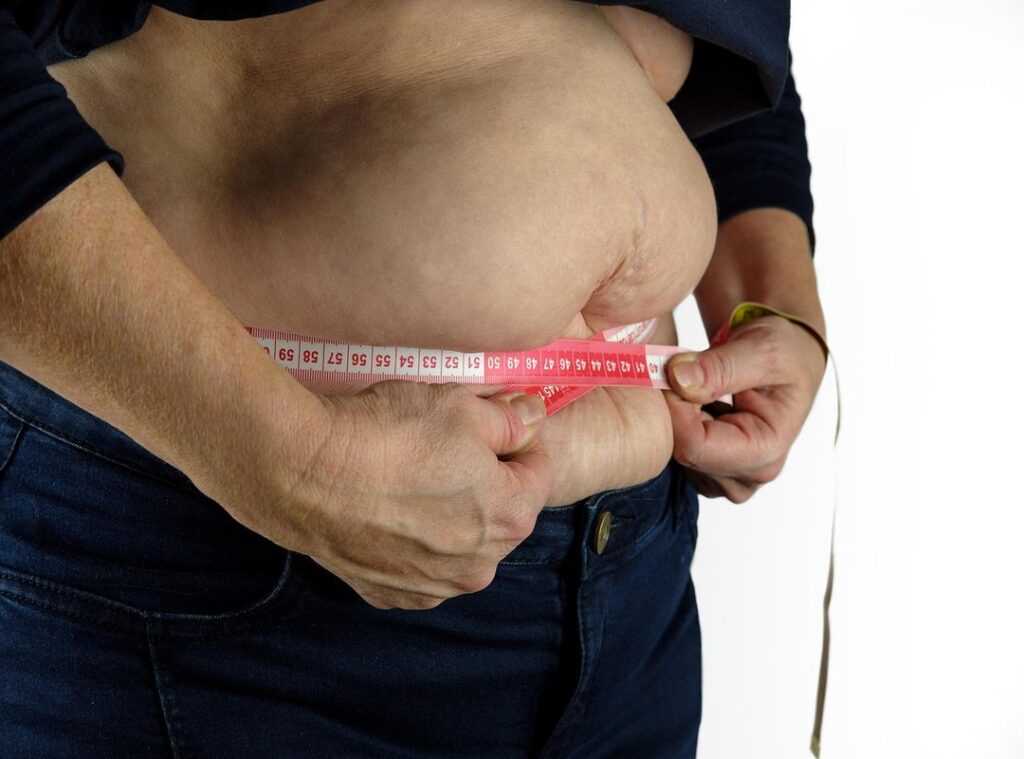
Weight tells you almost nothing about fitness. I stopped trusting it years ago. Your scale doesn’t know if you gained muscle or lost visceral fat.
Or if you’re dehydrated, stressed, or bloated from last night’s tacos.
Waist-to-hip ratio (WHR) and waist circumference predict metabolic health better than weight ever will.
Here’s how to measure your waist right:
Stand relaxed. Breathe out normally (don’t) suck in. Place the tape at the midpoint between your iliac crest (top of your hip bone) and lower rib cage.
Do it first thing in the morning, fasted, no clothes pulling or pushing.
Women: WHR >0.85 or waist >35 inches means higher risk. Men: WHR >0.9 or waist >40 inches is a red flag. These aren’t goals.
They’re warning lights.
Track energy, sleep, and how fast you bounce back from workouts too.
Those matter more than a number dropping on Friday.
Changes here lag behind strength gains (sometimes) by weeks. Be patient. Or don’t.
But don’t quit.
If you want real-world context and simple tracking tools, check out the Thespoonathletic Advice Guide.
It covers exactly How to Check Body Fitness Thespoonathletic (no) fluff, no jargon.
Your Body Isn’t Lying (You’re) Just Not Listening Right
I’ve seen too many people quit because their scale lied. Or their mirror lied. Or their workout app lied.
Fitness isn’t one number. It’s five signals. Strength, mobility, endurance, recovery, and daily function.
Working together.
None of them ranks higher. None replaces the others. They’re pieces of the same truth.
You don’t need perfect data. You need consistent data.
Pick How to Check Body Fitness Thespoonathletic (just) one method. Do it today. Write it down.
Repeat in 30 days.
That’s how you spot real change. Not hype. Not hope.
Just proof.
What’s stopping you from trying one thing this week?
Your body already speaks. Today, you learn how to listen with clarity and kindness. Go measure something real (right) now.
 Kayla Lambertinoser is the kind of writer who genuinely cannot publish something without checking it twice. Maybe three times. They came to holistic fitness foundations through years of hands-on work rather than theory, which means the things they writes about — Holistic Fitness Foundations, Wellness Buzz, Everyday Wellness Routines, among other areas — are things they has actually tested, questioned, and revised opinions on more than once.
That shows in the work. Kayla's pieces tend to go a level deeper than most. Not in a way that becomes unreadable, but in a way that makes you realize you'd been missing something important. They has a habit of finding the detail that everybody else glosses over and making it the center of the story — which sounds simple, but takes a rare combination of curiosity and patience to pull off consistently. The writing never feels rushed. It feels like someone who sat with the subject long enough to actually understand it.
Outside of specific topics, what Kayla cares about most is whether the reader walks away with something useful. Not impressed. Not entertained. Useful. That's a harder bar to clear than it sounds, and they clears it more often than not — which is why readers tend to remember Kayla's articles long after they've forgotten the headline.
Kayla Lambertinoser is the kind of writer who genuinely cannot publish something without checking it twice. Maybe three times. They came to holistic fitness foundations through years of hands-on work rather than theory, which means the things they writes about — Holistic Fitness Foundations, Wellness Buzz, Everyday Wellness Routines, among other areas — are things they has actually tested, questioned, and revised opinions on more than once.
That shows in the work. Kayla's pieces tend to go a level deeper than most. Not in a way that becomes unreadable, but in a way that makes you realize you'd been missing something important. They has a habit of finding the detail that everybody else glosses over and making it the center of the story — which sounds simple, but takes a rare combination of curiosity and patience to pull off consistently. The writing never feels rushed. It feels like someone who sat with the subject long enough to actually understand it.
Outside of specific topics, what Kayla cares about most is whether the reader walks away with something useful. Not impressed. Not entertained. Useful. That's a harder bar to clear than it sounds, and they clears it more often than not — which is why readers tend to remember Kayla's articles long after they've forgotten the headline.