
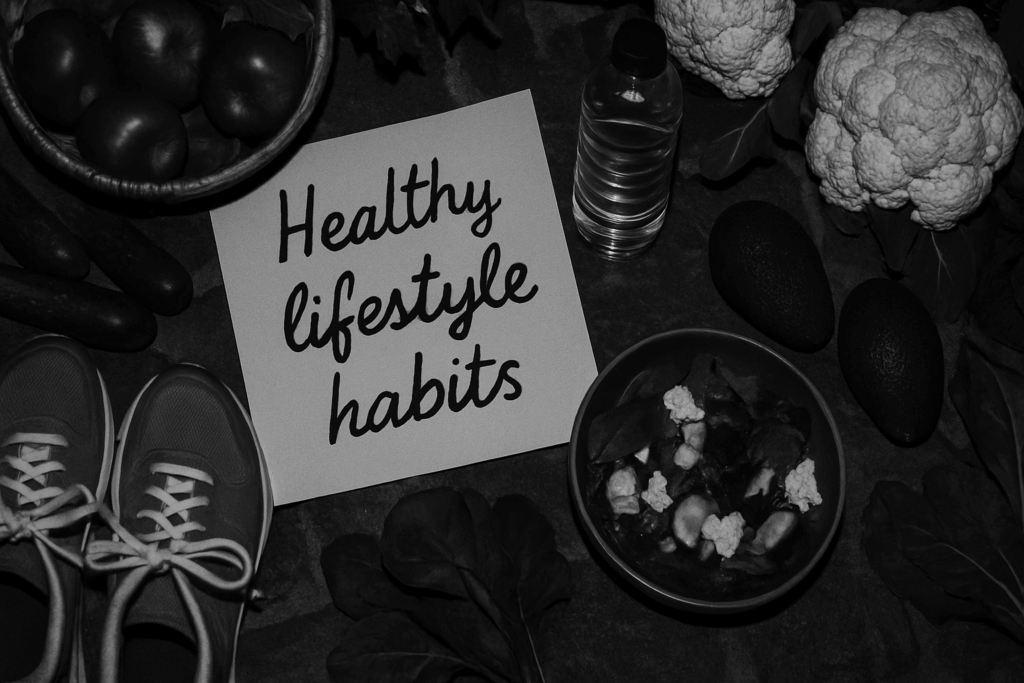
Why Habits Run the Show
You don’t notice them, but they’re running your life. Up to 40% of what you do every day brushing your teeth, checking your phone, grabbing a coffee is automatic. Not because you choose it each time, but because your brain set it on autopilot long ago. Habits aren’t flashy. They’re background code, silently steering behavior while you think you’re in control.
Here’s the thing: these small, repeated actions aren’t trivial. They’re compound interest for your future either building toward better health, focus, and performance, or locking you deeper into patterns that don’t serve you. One 10 minute walk every day might not seem like much, but zoom out a year, and you’ve reshaped your baseline.
This is why habits matter. They don’t shout, but over time, they decide who you become.
How Habits Actually Take Root
At the core of every habit lies a simple loop: cue, routine, reward. The cue is the trigger it could be a time of day, a feeling, or an environment. The routine is the behavior itself. The reward is the payoff your brain starts to crave. Once this loop repeats enough, it stops being a conscious choice and starts running on autopilot.
Repetition is the engine. Each time you run the loop, neurons in your brain fire in a pattern. Fire them enough, and that pattern locks in. Your brain actually reshapes itself a phenomenon called neuroplasticity. This is how brushing your teeth, checking your phone, or going for a morning run becomes second nature: not because you decided it once, but because you repeated it enough times.
The upside? You can build nearly any habit you want with time and consistency. The downside? You can build bad ones just as easily. Understand the loop, and you unlock the framework for lasting behavior change.
(Dig deeper: habit science explained)
Breaking Bad vs. Building Better

Old habits hang on because your brain loves efficiency. Once a pattern is built, your mind automates it no questions asked. That’s why breaking a bad habit isn’t just about stopping behavior. It’s about interrupting a system that’s been running on autopilot.
Here’s where friction comes in. Small barriers can have a big impact. Want to scroll less? Move your phone out of reach. Want to stop late night snacking? Don’t keep cookies in the pantry. Friction slows the loop, giving you a chance to choose differently.
On the flip side, building better habits works best when you make things seamless. Stack the new habit onto something that already exists like doing five squats after brushing your teeth. Add clear cues. Give yourself a micro reward (it doesn’t have to be chocolate). The science says: prompt, repeat, reinforce.
You’re not trying to summon heroic willpower. You’re engineering your environment so the habit builds itself. For more on the mechanics, check out this breakdown of habit science explained.
Wellness Amplified by Habit
Healthy routines might feel small in the moment, but over time they compound into major wellness wins. This isn’t about perfection it’s about consistency with simple, foundational habits that support your physical and mental health.
Foundational Habits That Matter
Focused attention on daily basics goes further than flashy routines. When it comes to well being, a few core habits make the biggest difference:
Sleep: Prioritize consistent bedtimes and wake up hours. Quality sleep restores your body, boosts focus, and stabilizes mood.
Movement: Daily physical activity even walking improves energy, cognitive function, and long term health.
Hydration: Drinking enough water fuels every system in your body, from digestion to brain performance.
These aren’t optional; they’re non negotiables for sustainable wellness.
Discipline Over Motivation
Motivation is fleeting. It fluctuates based on mood, energy, and external factors. Discipline, on the other hand, is what keeps your habits alive when motivation disappears.
Build structure: Create daily systems that take the choice out of it
Set low friction goals: Make habits easy to begin, hard to avoid
Automate where possible: Use routines and reminders to reduce resistance
When you show up regardless of how you feel, you build the muscle that matters.
Consistency > Intensity
Wellness doesn’t come from big gestures it’s the quiet repeatable actions that sustain it. Chasing high intensity bursts of progress often leads to burnout, while steady momentum makes change stick.
A 20 minute daily walk beats a 2 hour session once a week
Drinking enough water daily is more impactful than a weekend detox
Going to bed at the same time each night builds resilience faster than occasional catch up sleep
Progress compounds faster when expectations are sustainable.
The Bottom Line
Wellness is a long game and habits are the foundation. Focus on what’s doable daily. The results show up quietly, then all at once.
Final Takeaways
Habit isn’t some mystical force. It’s not about being more disciplined than the next person. It’s biology and math. Neurons connect repeatably and those connections get stronger. What you do often becomes what you do always.
That means the real game is starting small. One action. Something you can repeat without thinking twice. A morning stretch. A glass of water before coffee. Five focused minutes before bed. If it’s too big, you’ll burn out. If it’s tiny but consistent, it compounds.
Forget scrapping with motivation every day. Systems beat willpower, nine times out of ten. The people who seem like they have it all together? They just built routines that do the heavy lifting. Quiet wins, repeated daily, move the needle farther than burst and crash sprints ever will.