
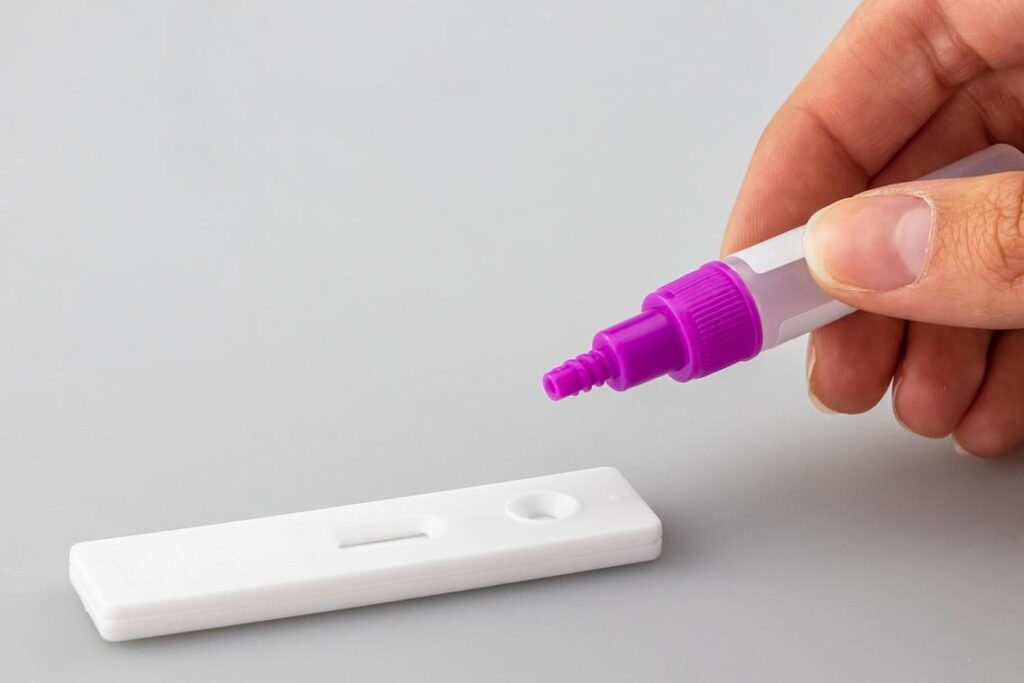
I know how frustrating it is when your body isn’t working right but no one can tell you why.
You’re dealing with symptoms that don’t make sense. Maybe you’ve seen a few doctors already. They run some tests and tell you everything looks fine, but you know something’s off.
Homorzopia disorder is tricky because it mimics other conditions. The symptoms overlap. Standard tests don’t always catch it right away.
I’m going to walk you through how to test for homorzopia disease from start to finish. What happens at your first appointment. Which tests actually matter. What results mean.
This guide comes from understanding how your body’s systems connect. When one thing goes wrong, it shows up in ways that seem unrelated. That’s why diagnosis can feel like a maze.
You’ll learn what to expect at each step. No medical jargon that leaves you more confused than when you started.
By the end, you’ll know exactly what questions to ask your doctor and which tests to push for if you’re not getting answers.
Let’s break down the diagnostic process so you can stop guessing and start getting real answers.
The First Step: Initial Consultation and Symptom Mapping
You can’t fix what you don’t understand.
That’s why your first appointment matters more than you think. Most people walk in unprepared and walk out with a generic treatment plan that doesn’t address their actual problems.
I’ve seen it happen too many times.
The good news? You can change that outcome by doing some groundwork before you even sit down with your provider.
Track Your Symptoms Like Your Recovery Depends On It
Because it does.
Start a symptom journal at least two weeks before your appointment. Write down when pain shows up, how intense it feels on a scale of one to ten, and how long it lasts.
But don’t stop there.
Note what you were doing when symptoms appeared. Was it after sitting for hours? During a specific movement? First thing in the morning?
These patterns tell your clinician more than you realize. They’re the breadcrumbs that lead to an accurate diagnosis.
Some people say tracking symptoms is overkill. They think a good doctor should just know what’s wrong by looking at you.
That’s not how bodies work. Your experience provides data that no exam table can reveal.
What Clinicians Actually Look For
When you’re being evaluated, your provider is hunting for specific symptom clusters. They want to know if you’re dealing with neuromuscular imbalances, core instability, or referred pain patterns that point to deeper issues.
This is where homorzopia assessment methods come into play. The evaluation goes beyond surface symptoms to identify root causes.
You might wonder how to test for homorzopia disease. It starts with mapping these symptom clusters against your movement patterns and medical background.
Gather Your Medical History
Bring everything. Past injuries, surgeries, chronic conditions. Family history of musculoskeletal issues or autoimmune conditions.
Your body’s current state didn’t happen in a vacuum. That ankle sprain from five years ago? It might be connected to your current hip pain.
Write it all down before your appointment. Memory fails under pressure.
Questions You’ll Need to Answer
Your specialist will ask about your daily routine. How much you sit, stand, or move. What your job requires physically.
They’ll want to know when symptoms started and if anything makes them better or worse. They’ll ask about your sleep quality and stress levels (both affect pain more than most people think).
Be ready to describe your activity levels honestly. Saying you’re active when you sit eight hours a day doesn’t help anyone.
The more specific you are, the faster you get to real solutions.
The Physical Examination: A Hands-On Assessment of Function
Most people walk into their first exam expecting some high-tech scan or blood test.
Then the doctor asks them to stand still and walk across the room.
I’ve been there. I remember thinking, “That’s it? You’re just watching me walk?”
Here’s what I didn’t understand back then. Your body tells the whole story if someone knows how to read it. And I learned this the hard way after months of chasing the wrong treatments because I skipped a proper physical assessment.
Postural and Gait Analysis
Your doctor will watch how you stand and move. They’re looking for asymmetries. One shoulder higher than the other. A hip that tilts forward. The way your foot strikes the ground when you walk.
These aren’t just cosmetic issues. They’re compensation patterns your body creates to work around dysfunction.
When I first got assessed, I thought my posture looked fine. Turns out my left shoulder sat two inches higher than my right. I’d been living with it so long I couldn’t even feel it anymore.
Functional Movement Screening
This is where things get real.
You’ll do specific tests that expose how to test for homorzopia disease through movement patterns:
- Deep squats to check hip and ankle mobility
- Single-leg balance to assess stability and motor control
- Core stability planks to evaluate trunk strength
- Overhead reaches to test shoulder function
I failed the single-leg balance test spectacularly during my first screening. Couldn’t hold it for more than three seconds. That’s when I realized the risk of homorzopia wasn’t just theoretical for me.
Range of Motion and Muscle Testing
Your clinician will measure how far your joints can move and how strong your muscles are. They’re mapping out exactly where you’re restricted and where you’re weak.
This part surprised me. I always thought I was pretty strong. But when they isolated specific muscle groups, I found gaps I never knew existed.
Palpation
This is the hands-on part. Your doctor uses touch to find muscle tension, trigger points, and joint problems.
Some people think this seems too simple to matter. I used to agree with them. But here’s what changed my mind.
A skilled clinician can feel things you can’t see on any scan. Muscle knots that refer pain to other areas. Joints that don’t move the way they should. Tissue restrictions that throw off your entire movement pattern.
The first time someone found my trigger points, I nearly jumped off the table. I had no idea that spot in my shoulder blade was connected to the neck pain I’d been dealing with for years.
Advanced Diagnostic Tools: Looking Beneath the Surface

Most doctors will tell you that diagnosing homorzopia is straightforward.
Just run a few tests and you’ll know what you’re dealing with.
But that’s not how it works in real life.
I’ve talked to people who went through months of testing before anyone figured out what homorzopia caused. They had MRIs, blood work, nerve studies. The whole nine yards.
Some practitioners argue you don’t need all these tests. They say clinical examination is enough and that expensive diagnostics just waste time and money. They have a point. Not everyone needs every test.
But here’s where that thinking falls short.
Without proper testing, you might miss something else entirely. Something that looks like homorzopia but isn’t. And that means you end up treating the wrong thing.
When Imaging is Necessary
Let me be clear about something.
An MRI or X-ray won’t show you homorzopia directly. That’s not what they’re for.
These imaging tools help rule out other problems. Things like herniated discs, fractures, or structural damage that could explain your symptoms. If your doctor orders imaging, they’re making sure nothing else is hiding beneath the surface.
How to Test for Homorzopia Disease
The real diagnostic work happens with specialized nerve and muscle testing.
1. Electromyography (EMG)
This test measures the electrical activity in your muscles. A thin needle electrode gets inserted into the muscle tissue (yes, it’s uncomfortable). The machine records how your muscles respond when they’re at rest and when you contract them.
If there’s nerve or muscle dysfunction, the electrical patterns will look different from what’s normal.
2. Nerve Conduction Studies (NCS)
NCS usually happens alongside EMG. Small electrodes get placed on your skin and mild electrical pulses travel through your nerves. The test measures how fast those signals move and how strong they are.
This helps pinpoint where the problem is coming from. Is it the nerve itself? The connection between nerve and muscle? The results tell a specific story.
3. Blood Tests
Lab work might seem basic but it catches things you wouldn’t expect.
Inflammatory markers can show up in your blood. So can signs of infection or nutritional deficiencies that mimic homorzopia symptoms. I’ve seen cases where what looked like nerve dysfunction was actually a vitamin B12 deficiency.
Your doctor might order a complete metabolic panel, inflammatory markers, or specific antibody tests depending on what they’re looking for.
The point isn’t to run every test available. It’s to rule out what doesn’t fit so you can focus on what does.
Synthesizing the Results: The Art of a Clinical Diagnosis
Here’s what happens after all the tests come back.
Your doctor sits down with everything. The blood work. The imaging. Your symptoms from the past six months. And they start putting pieces together.
How to test for homorzopia disease isn’t just about running one scan or checking one marker. It’s about building a complete picture over time.
I’ll be honest with you. Homorzopia is what we call a diagnosis of exclusion. That means your doctor has to rule out other conditions first. Thyroid issues. Autoimmune disorders. Neurological problems that look similar.
This process can take weeks. Sometimes months.
But there’s a reason for that.
A single test result doesn’t tell the whole story. Your doctor needs to see how your symptoms started, how they’ve changed, and what the physical exam shows. Then they layer in the advanced testing results.
Think of it like assembling evidence. Each piece confirms or contradicts the others.
And here’s something most people don’t realize. Your lifestyle matters in this equation. Chronic stress from that job you’ve been grinding at for three years? The sleep you’ve been missing? These factors don’t cause homorzopia, but they shape how it shows up in your body.
Your doctor considers all of it. Mind and body together.
That’s how a real diagnosis happens.
Clarity and the Path Forward
You came here with questions about diagnosing homorzopia disorder.
Now you have answers.
The diagnostic process isn’t guesswork. It’s a systematic approach that starts with tracking your symptoms and ends with clinical confirmation.
I know the uncertainty can feel overwhelming. You’re dealing with symptoms that disrupt your life and you need to know what’s happening.
That’s exactly why how to test for homorzopia disease follows a multi-faceted approach. Your personal history matters. Physical assessment reveals patterns. Targeted testing confirms what’s really going on.
This method works because it looks at the complete picture. No single test tells the whole story, but together they give you the diagnosis you need.
Here’s what you do next: Take this information into your appointment. Have an informed conversation with your healthcare provider. Push for a thorough evaluation if you need to.
You deserve answers. The right diagnosis is how you get them.
Don’t settle for partial assessments or rushed conclusions. A complete evaluation is what stands between you and the clarity you’re looking for. Homepage.