

Understand What “Holistic Fitness” Really Means
Most people think fitness starts and ends with gym reps and protein shakes but that’s just one slice of the pie. Real, lasting fitness means investing in all parts of your system: physical strength, mental sharpness, emotional stability, and recovery that actually lets your body rebuild.
This isn’t about chasing an aesthetic. It’s about having the energy to show up for your life, stress included. It’s knowing when to push hard and when to pull back. It’s training your nervous system to handle chaos, not just your muscles to lift weight.
Holistic fitness doesn’t mean doing everything at once. It means stacking the right habits in balance. Lifting with intention. Sleeping like it matters (because it does). Moving to feel, not just to burn. Prioritizing wellbeing not just performance.
The target? Sustainable strength. Energy you can count on. And a body that works for you, not against you. This is fitness that lasts.
Cardiovascular Conditioning
You can lift all the weight you want but if your heart and lungs can’t keep up, you’re running on borrowed time. Cardio isn’t just for endurance athletes. It’s for everyday performance: walking up stairs without gasping, staying sharp mid workout, recovering fast between sets.
The game plan? Keep it mixed. High Intensity Interval Training (HIIT) cranks up metabolic output and saves time. Zone 2 training (moderate pace, steady effort for 30 60 minutes) builds a fat burning engine and improves baseline endurance. Don’t skip active recovery days light movement like walking, easy cycling, or swimming keeps the system fluid without overloading it.
Balance matters here. Overdoing intensity burns you out. Too little, and progress stalls. Most people thrive on 2 4 cardio sessions per week, rotating focus. The goal isn’t to crush your lungs. It’s to build a base you can trust inside and outside the gym.
Sample Weekly Breakdown (Balanced & Proven)
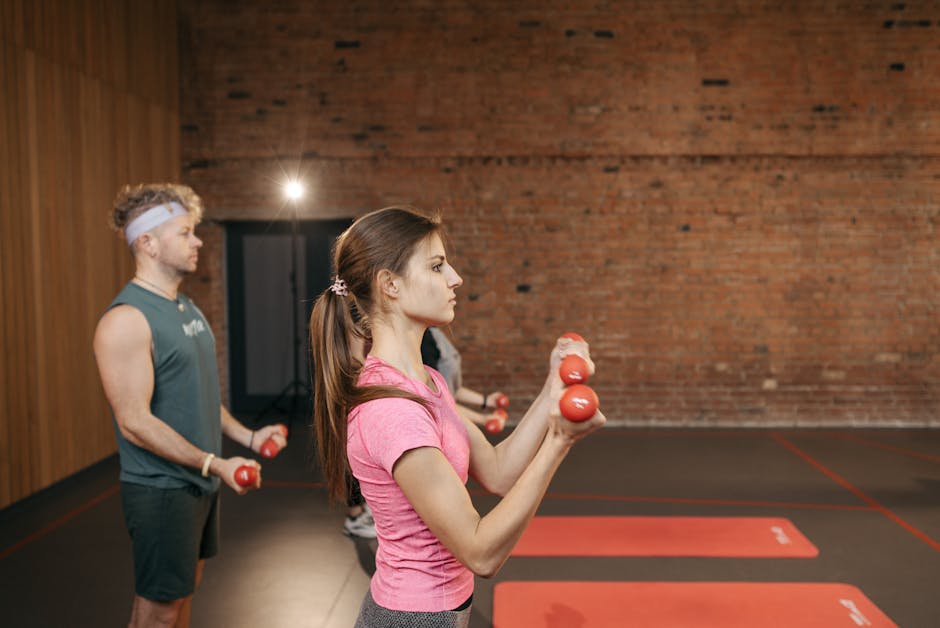
A solid week doesn’t have to be complicated it just has to be consistent. Start with three strength focused sessions. These are your heavy hitters: compound lifts, bodyweight progressions, functional circuits. Treat them as anchors. Next, slot in two cardio days. Mix it up between longer zone 2 work (brisk walks, slow jogs, bike rides) and higher intensity sprints or intervals. It’s not about punishment it’s about cardiovascular longevity.
Two sessions a week should zero in on mobility. Think of these as your tune ups. Low impact sessions using bands, bodyweight flows, or targeted stretching. These prevent injury and extend performance lifespan.
One full recovery day is non negotiable. No workouts, no catching up on emails, no doomscrolling. Disconnect physically and digitally. Active rest is fine walks, light movement, sunshine but the real win is mental reset.
Finally, build in quick 5 minute check ins. Once mid week, once on your off day. Assess fatigue, mood, and motivation. Adjust accordingly. The goal isn’t perfect balance it’s sustainable effort without crashing.
How to Personalize It
No plan lasts forever. The first step to personalizing your fitness routine is brutal honesty: what do you need right now? Longevity, fat loss, strength gains, mobility, stress relief, reduced back pain pick your top 2 3 goals. Then build with intention.
Match the intensity and type of training to your body, not your ego. If you’re in your 20s and sleeping eight hours a night, high rep Olympic lifts and track sprints might feel right. If you’re 45 with a desk job and two kids, smart mobility, compound strength work, and lower impact cardio will do more with less damage. Listen to your body, not trends.
Reassess every 90 days. Not with a bathroom scale or a selfie, but with time tested markers: energy levels, sleep quality, joint health, PRs, and how you feel walking into your day. Set check in dates, track basics, adjust with purpose. Sustainable gains aren’t flashy but they last.
Final Thoughts: Build for Life, Not Just for Looks
There’s no perfect plan. What fuels you today might not work next season. That’s normal. The best holistic fitness routines evolve as you do responding to stress levels, shifts in sleep, aging joints, and real life changes. Adapt or stall.
Keep it simple. Get stronger. Stay mobile. Sleep enough. Breathe deeper. Show up with some consistency, not perfection. And don’t fall into the trap of chasing someone else’s routine. The best plan is the one that fits your real life and leaves enough energy for the rest of it.
This is long game stuff. You don’t need to crush every workout. Just move often, listen closely, and stay connected to why you’re doing it all in the first place.
 Kayla Lambertinoser is the kind of writer who genuinely cannot publish something without checking it twice. Maybe three times. They came to holistic fitness foundations through years of hands-on work rather than theory, which means the things they writes about — Holistic Fitness Foundations, Wellness Buzz, Everyday Wellness Routines, among other areas — are things they has actually tested, questioned, and revised opinions on more than once.
That shows in the work. Kayla's pieces tend to go a level deeper than most. Not in a way that becomes unreadable, but in a way that makes you realize you'd been missing something important. They has a habit of finding the detail that everybody else glosses over and making it the center of the story — which sounds simple, but takes a rare combination of curiosity and patience to pull off consistently. The writing never feels rushed. It feels like someone who sat with the subject long enough to actually understand it.
Outside of specific topics, what Kayla cares about most is whether the reader walks away with something useful. Not impressed. Not entertained. Useful. That's a harder bar to clear than it sounds, and they clears it more often than not — which is why readers tend to remember Kayla's articles long after they've forgotten the headline.
Kayla Lambertinoser is the kind of writer who genuinely cannot publish something without checking it twice. Maybe three times. They came to holistic fitness foundations through years of hands-on work rather than theory, which means the things they writes about — Holistic Fitness Foundations, Wellness Buzz, Everyday Wellness Routines, among other areas — are things they has actually tested, questioned, and revised opinions on more than once.
That shows in the work. Kayla's pieces tend to go a level deeper than most. Not in a way that becomes unreadable, but in a way that makes you realize you'd been missing something important. They has a habit of finding the detail that everybody else glosses over and making it the center of the story — which sounds simple, but takes a rare combination of curiosity and patience to pull off consistently. The writing never feels rushed. It feels like someone who sat with the subject long enough to actually understand it.
Outside of specific topics, what Kayla cares about most is whether the reader walks away with something useful. Not impressed. Not entertained. Useful. That's a harder bar to clear than it sounds, and they clears it more often than not — which is why readers tend to remember Kayla's articles long after they've forgotten the headline.