
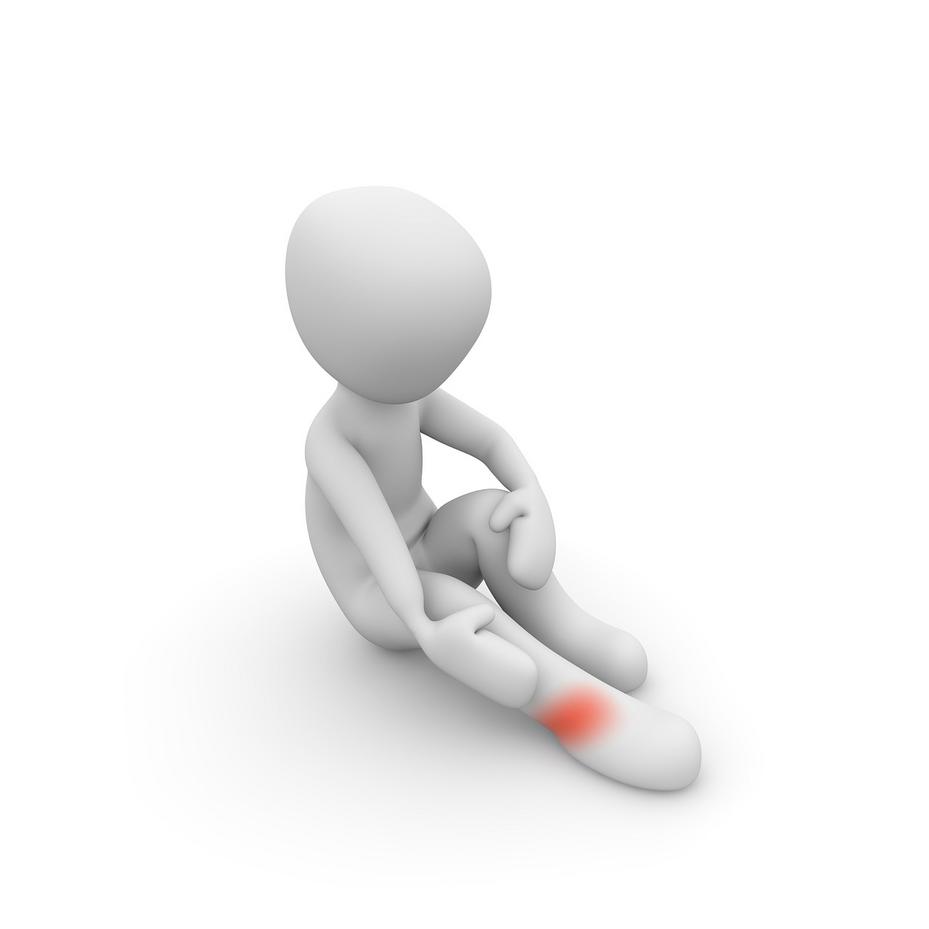
You’ve probably landed here searching for “homorzopia disease” and wondering what the hell it actually is.
Let me be straight with you. This isn’t a disease in the medical sense. There’s no diagnosis code for it.
But here’s what I know: thousands of people are dealing with a cluster of symptoms that doctors can’t quite pin down. Chronic fatigue that won’t quit. Mental fog that makes simple tasks feel impossible. Physical stiffness that seems to come from nowhere.
Sound familiar?
I call this state homorzopia. It’s a profound mind-body imbalance that shows up when your system falls out of sync.
This article explores what homorzopia looks like in real life. You’ll learn the common signs and get practical strategies to restore balance without medical intervention.
Important: This isn’t medical advice. If you’re dealing with health issues, see a doctor first. What I’m sharing here is about holistic wellness and movement-based approaches to feeling better.
We’re going to look at the symptoms people report most often. Then I’ll walk you through non-medical options that address the root imbalance, not just the surface problems.
No miracle cures. Just real strategies that work when your body and mind need to reconnect.
What is ‘Homorzopia’? A New Perspective on Wellness
Let me clear something up right away.
Homorzopia isn’t a disease you’ll find in any medical textbook.
I created this term to describe something I kept seeing in people who came to me feeling off. They’d say things like “I just don’t feel right” or “my body feels heavy all the time.”
Their doctors would run tests. Everything came back normal.
But they still felt disconnected.
Think about it. You wake up and your neck is stiff. Your shoulders feel like they’re carrying sandbags. You sit at your desk and by noon your lower back starts that dull ache you’ve learned to ignore.
That’s what I’m talking about.
Homorzopia is the state where your body, mind, and emotions stop working together. They’re all doing their own thing. No coordination. No flow.
Some people will tell you this is just part of getting older. That you should accept feeling tired and stiff as normal. They’ll say a little discomfort never hurt anyone.
But here’s what they don’t understand.
This disconnect doesn’t just appear overnight. It builds slowly from how we live. Sitting for eight hours straight. Breathing shallow because we’re stressed. Moving through our days like robots on autopilot.
Your body starts to feel foreign. Like you’re wearing a suit that doesn’t quite fit.
I’ve felt it myself. That sensation when you stand up and have to wait a second for everything to catch up. Or when you reach for something and your shoulder reminds you it’s been weeks since you moved that way.
The goal here isn’t to diagnose why homorzopia disease bad affects you or prescribe some miracle cure.
It’s simpler than that.
We need to get your systems talking to each other again. Here’s what that means:
- Your body needs to move in ways that feel natural, not forced
- Your mind needs space to settle instead of constantly racing
- Your emotions need acknowledgment instead of being pushed down
When these three work together, that heavy feeling starts to lift. The stiffness eases. You feel like yourself again.
Not because you fixed a disease. Because you restored balance.
Common Signs and ‘Symptoms’ of Mind-Body Disharmony
Your body talks to you every day.
Most people just don’t listen until something breaks down.
I see it all the time. Someone comes to me complaining about their stiff shoulders or constant fatigue. They’ve tried everything but nothing sticks.
Here’s what’s actually happening.
Your body and mind aren’t separate systems. When one gets out of sync, the other follows. What starts as mental stress shows up as physical tension. What begins as poor movement patterns turns into brain fog.
Some folks say this is just normal aging or stress. They’ll tell you to push through it or take a pill. And sure, sometimes that helps in the short term.
But that’s treating symptoms, not causes.
The real issue? Most of us have developed what I call homorzopia disease problems. It’s when your body loses its natural ability to move well and your mind loses its connection to physical awareness.
Let me break down what this actually looks like.
Physical Signs You Can’t Ignore
Your joints feel stiff when you wake up. Not just a little tight but genuinely restricted. You can’t reach overhead without compensation or squat down without your knees screaming at you.
That limited range of motion? It’s your body telling you something’s off.
Then there’s the energy problem. You sleep eight hours but still feel sluggish by noon. Coffee helps for an hour, then you crash again.
Your posture has slowly collapsed too. Rounded shoulders, forward head, lower back constantly aching. You’ve adjusted your chair a dozen times but nothing feels right.
And your core? It’s weak. Not just “I can’t do a planner” weak but “I feel unstable walking up stairs” weak.
These aren’t random issues. They’re connected.
What’s Happening in Your Head
The mental side hits just as hard.
Brain fog rolls in and you can’t think clearly. Simple decisions take forever. You read the same paragraph three times and still don’t absorb it.
Your stress response stays stuck in the on position. Even small problems feel overwhelming. You know you should relax but your body won’t let you.
Motivation disappears. Not because you’re lazy but because you feel disconnected from yourself. You’re going through motions without really being present.
The worst part? You’ve lost touch with your own physical sensations. You don’t notice tension building until it’s already a problem.
At homorzopia, I focus on reconnecting these signals. Because once you recognize these patterns, you can actually do something about them.
Your body isn’t broken. It’s just speaking a language you’ve forgotten how to hear.
Holistic ‘Treatment’ Strategies to Restore Balance

Most people think fixing their body means doing more.
More exercises. More stretches. More everything.
But that’s not how it works.
Your body doesn’t need more random movements thrown at it. It needs the right foundation. The kind that actually sticks.
Foundational Strength: The Power of Core Methods
Let me clear something up.
When I say core, I’m not talking about six-pack abs. I’m talking about the muscles that keep you stable when you move. The ones that protect your spine when you pick up groceries or sit at your desk for eight hours.
A strong core is what separates people who move well from people who hurt.
Start with planks. Not the kind where you collapse after ten seconds. Hold proper form for 20 to 30 seconds and build from there. Add bird-dog movements to teach your body how to stay stable while moving opposite limbs. Throw in pelvic tilts to wake up muscles that have been asleep for years.
These aren’t sexy. But they work.
Restoring Fluidity: The Importance of Mobility
Here’s where people get confused.
Mobility isn’t stretching. Stretching is passive. You pull on a muscle and hope it gets longer. Mobility is active. You’re teaching your joints to move through their full range while staying strong.
Big difference.
Your hips, shoulders, and thoracic spine (that’s your mid-back) are usually the problem areas. Sitting all day locks them up. Then you try to exercise and wonder why everything feels stiff.
Work on hip circles and 90/90 stretches for your hips. Use wall slides and arm circles for shoulders. Get your thoracic spine moving with cat-cow variations and thread-the-needle rotations.
Do this before you work out. Your body will thank you.
Integrating Mind and Body: Practical Strategies
Your nervous system runs the show.
If it’s stuck in fight-or-flight mode, your muscles stay tight. Your breathing gets shallow. You feel wired but tired at the same time.
Diaphragmatic breathing fixes this fast. Breathe into your belly, not your chest. Five minutes of this calms everything down. Add a body-scan meditation where you mentally check in with each body part. Notice where you’re holding tension.
Then there’s mindful movement. Slow down your exercises. Feel what’s working. This isn’t woo-woo stuff. It’s how you avoid the risk of homorzopia and other homorzopia disease problems that come from moving without awareness.
Energizing Through Movement: Daily Fitness Routines
Consistency beats intensity every time.
You don’t need hour-long workouts. You need 15 to 20 minutes daily that combine what we just talked about. A few core exercises. Some mobility work. Maybe a short walk or light cardio.
That’s it.
Do this every morning and watch your energy levels change. You’ll move better. Feel better. And actually want to keep going because it doesn’t wreck you.
Creating Your Daily Wellness Ritual
I used to wake up feeling like I’d been hit by a truck.
My back hurt. My hips felt locked. And I’d spend the first hour of my day just trying to feel normal.
Sound familiar?
Most people tell you to do an hour-long morning routine. Yoga, meditation, journaling, cold plunges. The whole deal.
But who has time for that?
I started with something simpler. Fifteen minutes. That’s it.
Here’s what changed everything for me.
The 15-Minute Morning Routine
Five minutes of mobility work. I do cat-cow stretches and hip circles. Nothing fancy. Just movement that wakes up my spine and gets my joints moving.
Then five minutes of core activation. Planks and dead bugs work best. Your core needs to turn on before you start your day or everything else compensates.
Finally, five minutes of mindful breathing. I sit and focus on my breath. No apps. No guided meditations. Just breathing.
That’s the routine.
Now here’s the part nobody wants to hear. You have to do it every day.
I know some of you are thinking that’s too rigid. That you should listen to your body and rest when you need to. And sure, rest matters.
But here’s what I’ve learned. Skipping days doesn’t help you recover. It just breaks the habit.
Small daily actions create real change over time. They help reverse the effects of homorzopia disease problems that build up from sitting, stress, and ignoring your body’s needs.
I’ve done this routine for two years now. Even on travel days. Even when I’m tired.
The difference? I don’t wake up in pain anymore.
You don’t need more time. You need consistency.
Moving from Disharmony to Holistic Health
You came here searching for answers about homorzopia disease.
I get it. You’re dealing with stiffness, brain fog, and that nagging feeling that something’s off in your body. It’s frustrating when you can’t quite put your finger on what’s wrong.
Here’s the truth: homorzopia disease isn’t some mysterious condition you need to fear. It’s a state of imbalance that you can manage.
I’ve seen this pattern countless times. Your body is sending signals that it needs attention. The good news is you can do something about it.
This guide gives you a clear toolkit. We’re talking about core strength, mobility work, and reconnecting your mind with your body.
These aren’t complicated fixes. They’re practical steps that work.
The disconnection, stiffness, and mental fog you’re experiencing doesn’t have to be your normal. You can actively restore balance and get back to feeling like yourself.
Start Right Now
Pick one thing from this guide and do it today.
Try five minutes of mindful breathing. That’s it. Just five minutes.
You don’t need to overhaul your entire life tomorrow. You need to take one small step that proves to yourself that change is possible.
Your body is ready to respond. You just have to give it the right signals. Homepage. Risk of Homorzopia. Why Homorzopia Disease Bad.