
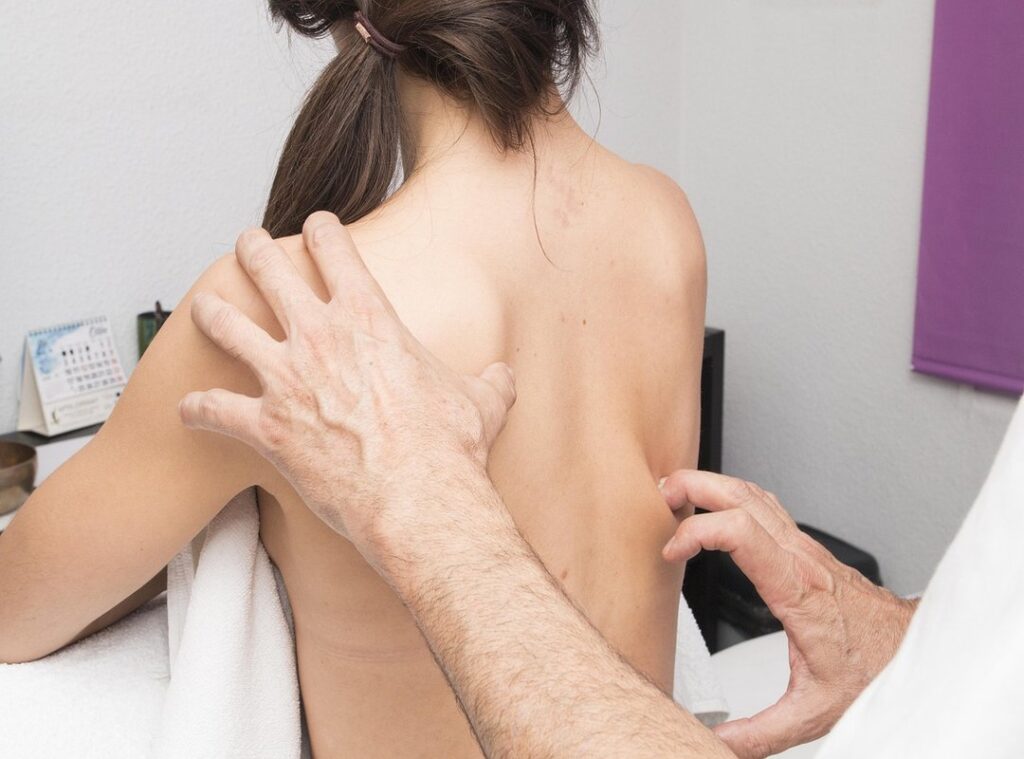
Flamingo reflexology is something you might not have heard of, but it’s getting more popular. It’s a unique approach to reflexology that uses specific techniques and pressure points. This article will help you understand what it is, why it’s beneficial, and how you can try it yourself.
I’ll break it down with clear definitions, step-by-step guides, and even some FAQs. So, if you’re curious about this new trend, you’re in the right place. Let’s get started.
What is Flamingo Reflexology?
Flamingo reflexology is a unique and specialized form of reflexology that focuses on specific points in the feet, hands, and ears. It’s based on the idea that these points correspond to different organs and systems in the body.
The practice originated in ancient cultures, particularly in Egypt and China, where it was used to promote overall health and well-being. Over time, it evolved and became more refined, eventually leading to the modern techniques we see today.
Flamingo reflexology works on the principle that by applying pressure to certain points, you can stimulate the body’s natural healing processes. This can help with a range of issues, from stress and anxiety to physical pain and digestive problems.
One of the key benefits is its ability to provide deep relaxation. In a world where stress is a constant, this can be a game-changer. It helps your body release tension and promotes a sense of calm.
Another advantage is its non-invasive nature. Unlike some other therapies, flamingo reflexology doesn’t involve any needles or medications. It’s a gentle, natural way to support your body’s own healing mechanisms.

By understanding and using the principles of flamingo reflexology, you can take a proactive approach to your health. It’s a simple yet effective way to improve your well-being and feel better in your day-to-day life.
Benefits of Flamingo Reflexology
Flamingo reflexology is more than just a quirky name. It’s a unique approach that can do wonders for your physical and mental health.
Let’s start with the physical benefits. This practice can help reduce stress and pain, making it a go-to for many who are looking for natural relief.
Imagine coming home after a long day and feeling those knots in your shoulders melt away.
But it’s not just about the body. The mental and emotional benefits are just as significant. Regular sessions can improve your mood and help you relax.
In a world where we’re constantly on the go, finding a moment to unwind is crucial.
A Holistic Approach
Flamingo reflexology takes a holistic approach to wellness. It complements other practices like yoga and meditation, creating a well-rounded routine.
Think of it as another tool in your wellness toolkit.
As for the future, I predict that flamingo reflexology will become even more popular. More people are looking for alternative and natural ways to manage their health.
This trend isn’t going away anytime soon. In fact, I wouldn’t be surprised if it becomes a staple in wellness centers and spas across the country.

So, if you’re curious, give it a try. You might just find it’s the missing piece in your wellness journey.
How to Perform Flamingo Reflexology
Preparation
Before you start, make sure the room is quiet and comfortable. Dim the lights and play some soft music if you like. You’ll need a few tools: a massage mat, some lotion, and maybe a small towel.
Techniques
Start by having the person lie down on the mat. Gently apply lotion to their feet. Use your thumbs to press into the soles, focusing on the arches and heels.
Move in a circular motion, applying steady pressure.
Next, use your fingers to work on the toes. Each toe corresponds to different parts of the body. For example, the big toe is linked to the head and neck.
Press and hold for a few seconds, then release.
Tips and Tricks
Communicate with the person. Ask if the pressure is too much or not enough. Adjust as needed.
Take breaks if your hands get tired. It’s better to take a short pause than to give a subpar session.
Stay hydrated. Both you and the person receiving the reflexology should drink water before and after the session. This helps flush out toxins and keeps the body balanced.
Flamingo Reflexology Photos and Visuals
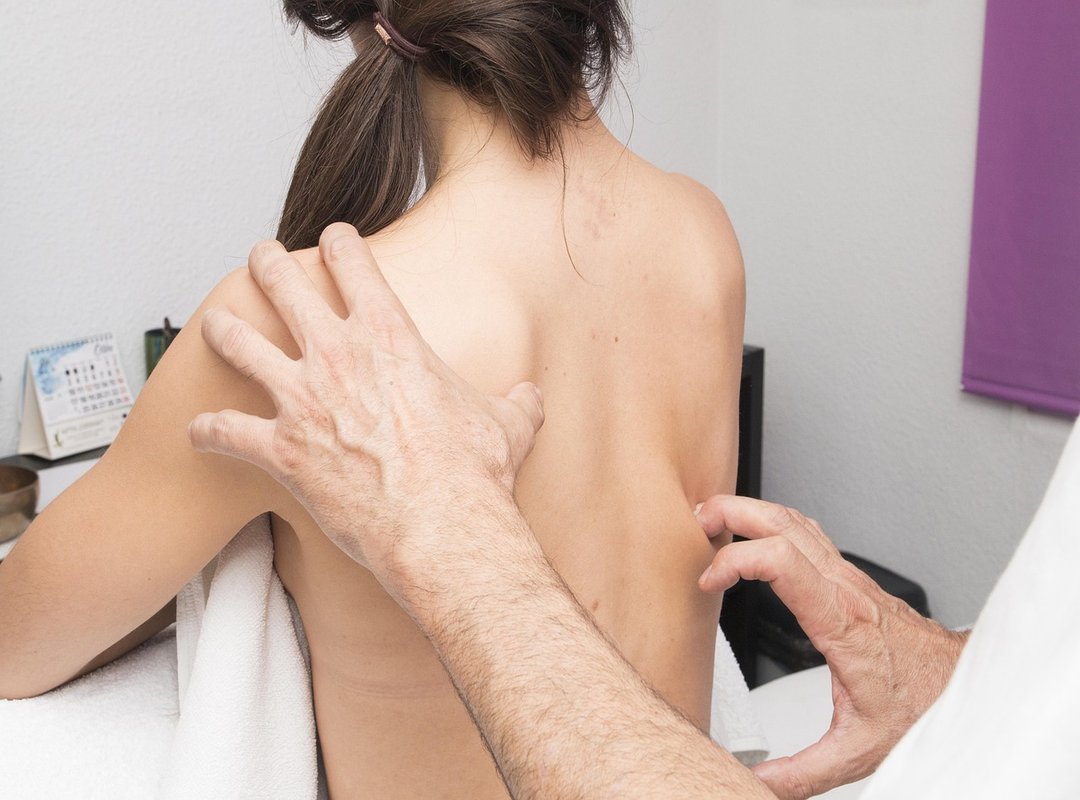
When it comes to learning flamingo reflexology, visual aids are a game-changer. They help you understand the techniques better and see exactly where to apply pressure.
Diagrams are super helpful. They show the key points on the feet and how they correspond to different parts of the body.
Step-by-step images are also essential. They guide you through each movement, making it easier to follow along and practice correctly. this guide
Before-and-after comparisons can be really motivating. They give you a clear idea of the results you can achieve with consistent practice.
Flamingo reflexology photos make it all more real. Seeing the process in action helps you grasp the techniques and boosts your confidence.
Visuals aren’t just nice to have; they’re crucial for effective learning. They turn abstract concepts into tangible, easy-to-follow steps.
FAQs About Flamingo Reflexology
I get a lot of questions about flamingo reflexology. It’s a unique practice, and people are naturally curious. Here are some of the most common ones I hear.
-
Is flamingo reflexology safe?
It’s as safe as any other form of reflexology. The key is to find a trained practitioner.(Trust me, you don’t want someone who just watched a YouTube video trying this on you.)
-
Does it actually work?
Some folks swear by it. Personally, I think it can be quite effective for relaxation and stress relief.But if you’re looking for a miracle cure, keep your expectations in check.
-
Who can benefit from it?
Anyone who enjoys a good foot massage can benefit. It’s especially great for those dealing with stress or minor aches and pains. -
How often should I do it?
Once a week is a good starting point. If you feel like you need more, go for it.Just make sure you’re not overdoing it and causing more stress.
-
Can I do it at home?
Sure, you can try. But for the best experience, I recommend seeing a professional.They know the right pressure points and techniques.
Flamingo reflexology photos
In the end, it’s all about what works for you. Give it a shot and see how you feel.
Real-Life Examples and Case Studies
When I first started with flamingo reflexology, I was skeptical. Really, how could a technique involving flamingos make a difference? But the results spoke for themselves.
One of my clients, Sarah, had been dealing with chronic back pain for years. She tried everything—medication, physical therapy, even acupuncture. Nothing seemed to work.
Then she gave flamingo reflexology a shot. After just a few sessions, her pain significantly reduced. She was able to move more freely and even started going on long walks again.
Another client, John, struggled with stress and anxiety. He found it hard to relax and often had trouble sleeping. Flamingo reflexology helped him find a sense of calm.
He now sleeps better and feels more balanced.
Flamingo reflexology photos
Of course, not every case is a success. There have been times when clients didn’t see the results they hoped for. One particular instance stands out.
A client, Lisa, came in with high expectations but left feeling disappointed. It taught me a valuable lesson: not every technique works for everyone.
I learned to be more upfront about the potential outcomes and to set realistic expectations. This way, clients know what to expect and can make informed decisions.
Testimonials are a great way to hear from those who have benefited. Here’s one from Sarah:
“Flamingo reflexology has been a game-changer for me. My back pain is almost gone, and I feel like a new person. Highly recommend!”
And from John:
“I never thought I’d find something that would help me manage my stress so effectively. Flamingo reflexology has been a lifesaver.”
These stories and lessons have shaped how I approach my practice. It’s all about finding what works best for each individual.
Embrace the Benefits of Flamingo Reflexology
Flamingo reflexology photos can inspire you to learn more about this unique therapy. It offers a relaxing and rejuvenating experience. Consider trying it to see how it can improve your well-being.
 There is a specific skill involved in explaining something clearly — one that is completely separate from actually knowing the subject. Anthony Morrisaverils has both. They has spent years working with mind-body health strategies in a hands-on capacity, and an equal amount of time figuring out how to translate that experience into writing that people with different backgrounds can actually absorb and use.
Anthony tends to approach complex subjects — Mind-Body Health Strategies, Everyday Wellness Routines, Insightful Reads being good examples — by starting with what the reader already knows, then building outward from there rather than dropping them in the deep end. It sounds like a small thing. In practice it makes a significant difference in whether someone finishes the article or abandons it halfway through. They is also good at knowing when to stop — a surprisingly underrated skill. Some writers bury useful information under so many caveats and qualifications that the point disappears. Anthony knows where the point is and gets there without too many detours.
The practical effect of all this is that people who read Anthony's work tend to come away actually capable of doing something with it. Not just vaguely informed — actually capable. For a writer working in mind-body health strategies, that is probably the best possible outcome, and it's the standard Anthony holds they's own work to.
There is a specific skill involved in explaining something clearly — one that is completely separate from actually knowing the subject. Anthony Morrisaverils has both. They has spent years working with mind-body health strategies in a hands-on capacity, and an equal amount of time figuring out how to translate that experience into writing that people with different backgrounds can actually absorb and use.
Anthony tends to approach complex subjects — Mind-Body Health Strategies, Everyday Wellness Routines, Insightful Reads being good examples — by starting with what the reader already knows, then building outward from there rather than dropping them in the deep end. It sounds like a small thing. In practice it makes a significant difference in whether someone finishes the article or abandons it halfway through. They is also good at knowing when to stop — a surprisingly underrated skill. Some writers bury useful information under so many caveats and qualifications that the point disappears. Anthony knows where the point is and gets there without too many detours.
The practical effect of all this is that people who read Anthony's work tend to come away actually capable of doing something with it. Not just vaguely informed — actually capable. For a writer working in mind-body health strategies, that is probably the best possible outcome, and it's the standard Anthony holds they's own work to.