
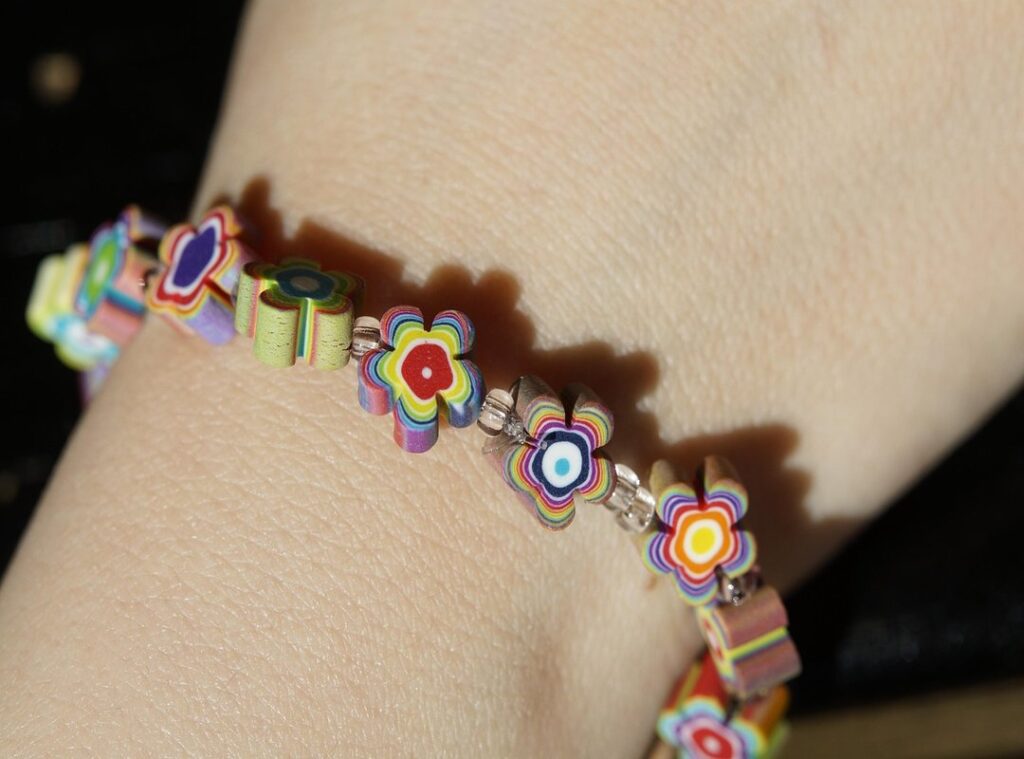
Ever held a block of clay and imagined it turning into a tiny, colorful zoo? It’s pretty amazing. Fimo is the perfect medium for that.
Whether you’re a beginner or an expert, Fimo can help you bring charming animal creations to life. In this article, you’ll get a clear understanding of what Fimo is. You’ll also see a gallery of inspiring fimo klei voorbeelden dieren.
And, I’ll walk you through a step-by-step guide to making your very first clay animal. By the end, you’ll have the confidence and ideas needed to start your own Fimo clay animal project today. There’s something really satisfying about seeing a detailed character emerge from your own hands.
What Makes Fimo Clay Perfect for Animal Figures?
Fimo clay is a type of polymer clay that stays soft until you bake it in a standard home oven. It’s perfect for creating detailed and colorful animal figures.
One of the key benefits of Fimo clay is its ability to hold fine details. You can easily sculpt fur texture or tiny eyes, making your animal figures look incredibly lifelike.
Fimo comes in a vast array of vibrant colors. Plus, it’s easy to blend, so you can create custom shades that match exactly what you need.
Unlike air-dry clay, Fimo gives you unlimited working time. This means you can take your time to get every detail just right. After baking, it also provides a more durable, waterproof finish.
There are a few types of Fimo clay to choose from. Fimo Soft is great for beginners because it’s easier to work with. Fimo Professional, on the other hand, is better for those who want more control and precision, especially for smaller, more intricate figures.
To get started, you only need a few basic tools. A clean work surface, a craft knife or blade, and access to an oven are essential.
If you’re looking for inspiration, check out some fimo klei voorbeelden dieren online. You’ll see the amazing level of detail and creativity that’s possible with this versatile medium.
Inspiring Fimo Clay Animal Ideas for Every Skill Level
If you’re just starting out, simple shapes are your best friend. Think ladybugs made from spheres or caterpillars from connected balls. You can also try making a simple fish or a snake with rolled coils.
These projects are perfect for getting a feel for the clay.
For those with a bit more experience, intermediate projects can be a lot of fun. A sitting cat, a simple dog, a fox, or a penguin are great choices. These animals require combining a few different shapes and adding more features.
Imagine a tiny, curled-up fox with a white-tipped tail. It’s all in the details!
Advanced sculptors can really show off their skills. Try creating an owl with feather textures, a lion with a detailed mane, or a turtle with a patterned shell. A vibrant tree frog with glossy black eyes is another fantastic option.
These projects involve intricate details, texturing, and multiple colors.
fimo klei voorbeelden dieren can inspire you to create something truly unique. Use these examples as a starting point and add your own creative twists. The sky’s the limit!
Your First Project: A Step-by-Step Guide to Making a Simple Clay Fox
Starting a new hobby can be exciting, and making a simple clay fox is a great way to dive in. Here’s a step-by-step guide to help you create your first Fimo clay project.
-
Gather Your Materials. You’ll need specific Fimo colors: orange, white, and black. Also, grab a few simple tools like a craft knife and a toothpick. fimo klei voorbeelden
These are easy to find at any local craft store in Abilene.
-
Condition and Shape the Body. Before you start shaping, warm up the orange clay by kneading it in your hands. This makes it more pliable.
Roll the clay into a teardrop shape for the body and head. It’s a bit like making a little clay snowman, but with a pointy end for the nose.
-
Create the Tail and Head Details. Now, make a smaller white and orange teardrop for the tail. Attach it to the back of the body.
For the snout, add a small white patch. Then, use the orange clay to form two tiny triangles for the ears. Place them on top of the head.
-
Add the Final Touches. Roll tiny black balls for the eyes and nose. Press them gently onto the face.
This gives your fox a cute, expressive look.
-
Baking Your Creation. Follow the Fimo guidelines for baking. Typically, you’ll bake your creation at 230°F (110°C) for about 30 minutes.
Make sure to preheat your oven and place the fox on a baking sheet lined with parchment paper. This ensures it cures properly without sticking.
Creating fimo klei voorbeelden dieren like this fox is a fun and rewarding experience. It’s a great way to get creative and unwind. Plus, you end up with a charming little figure that you can display or gift.
Pro Tips for Making Your Clay Animals Look Amazing

Creating clay animals can be a lot of fun, but getting them to look just right takes some know-how. Here are a few tips to help you make your fimo klei voorbeelden dieren stand out.
Tip 1: Keeping Clay Clean. Work on a clean surface like ceramic tile or parchment paper. Wipe your hands between colors to avoid smudging.
Think of it like painting a room—clean brushes and a clean workspace make all the difference.
Tip 2: Creating Textures. Use a toothpick or needle tool to create realistic fur or feather textures. It’s like adding the brushstrokes to a painting; these small details bring your animal to life.
Tip 3: Smooth Fingerprints. A bit of rubbing alcohol on a cotton swab can smooth away fingerprints before baking. This is like using a squeegee to get rid of water spots on a window—smooth and clear.
Tip 4: Adding a Glossy Finish. After baking, use a polymer clay-safe glaze for a shiny, professional look. It’s like putting a coat of wax on a car—protects and makes everything pop.
Start Sculpting Your Animal Kingdom Today
You’ve journeyed from grasping the fundamentals of Fimo to being inspired by fimo klei voorbeelden dieren and learning how to craft your very own fox. Creating Fimo clay animals is a hobby that’s both accessible and rewarding, no matter your artistic skill level. With just a few blocks of clay and a dash of imagination, you can bring a whole world of miniature creatures to life.
So, why wait? Choose one of the beginner examples, grab some clay, and dive into your sculpting adventure today!
 There is a specific skill involved in explaining something clearly — one that is completely separate from actually knowing the subject. Anthony Morrisaverils has both. They has spent years working with mind-body health strategies in a hands-on capacity, and an equal amount of time figuring out how to translate that experience into writing that people with different backgrounds can actually absorb and use.
Anthony tends to approach complex subjects — Mind-Body Health Strategies, Everyday Wellness Routines, Insightful Reads being good examples — by starting with what the reader already knows, then building outward from there rather than dropping them in the deep end. It sounds like a small thing. In practice it makes a significant difference in whether someone finishes the article or abandons it halfway through. They is also good at knowing when to stop — a surprisingly underrated skill. Some writers bury useful information under so many caveats and qualifications that the point disappears. Anthony knows where the point is and gets there without too many detours.
The practical effect of all this is that people who read Anthony's work tend to come away actually capable of doing something with it. Not just vaguely informed — actually capable. For a writer working in mind-body health strategies, that is probably the best possible outcome, and it's the standard Anthony holds they's own work to.
There is a specific skill involved in explaining something clearly — one that is completely separate from actually knowing the subject. Anthony Morrisaverils has both. They has spent years working with mind-body health strategies in a hands-on capacity, and an equal amount of time figuring out how to translate that experience into writing that people with different backgrounds can actually absorb and use.
Anthony tends to approach complex subjects — Mind-Body Health Strategies, Everyday Wellness Routines, Insightful Reads being good examples — by starting with what the reader already knows, then building outward from there rather than dropping them in the deep end. It sounds like a small thing. In practice it makes a significant difference in whether someone finishes the article or abandons it halfway through. They is also good at knowing when to stop — a surprisingly underrated skill. Some writers bury useful information under so many caveats and qualifications that the point disappears. Anthony knows where the point is and gets there without too many detours.
The practical effect of all this is that people who read Anthony's work tend to come away actually capable of doing something with it. Not just vaguely informed — actually capable. For a writer working in mind-body health strategies, that is probably the best possible outcome, and it's the standard Anthony holds they's own work to.