
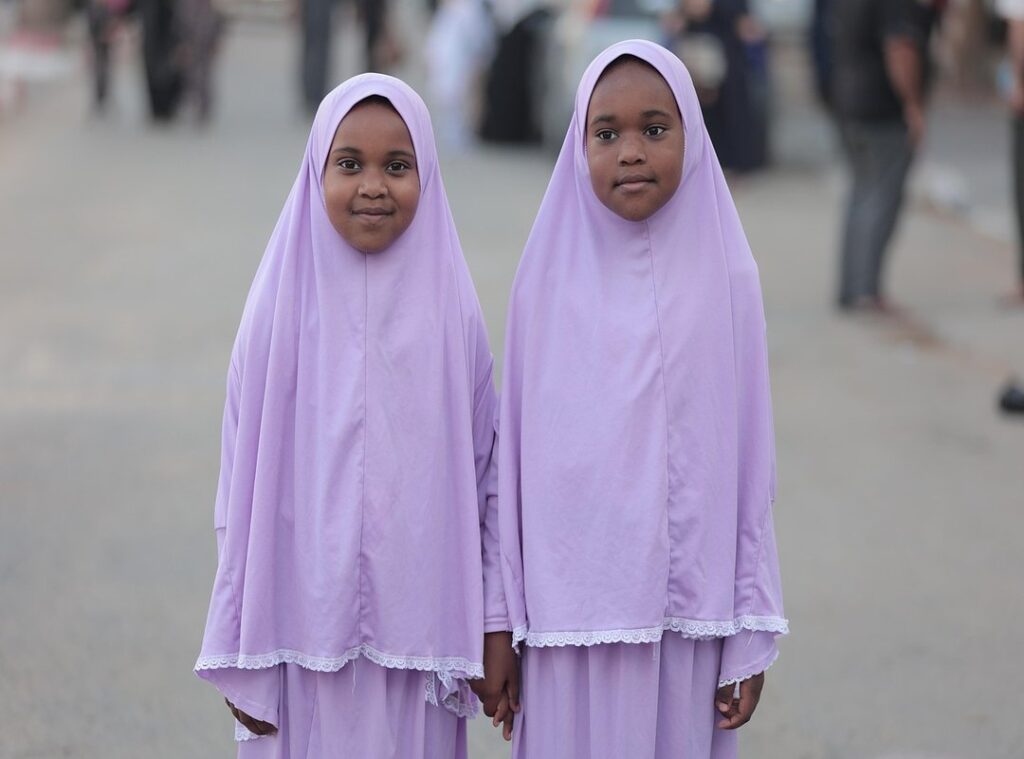
You’ve probably noticed a trend on social media platforms like TikTok, X (formerly Twitter), and Instagram. People are using anime-style profile pictures featuring Palestinian symbols. What are these images?
Why have they become so popular? What message are they sending? This article aims to provide a clear explanation of this digital activism trend.
From its visual elements to its cultural impact, we’ll dive into the meaning, creation, and significance of the anime palestine profile picture. It’s a unique fusion of global pop culture and political expression, creating a new visual language for online solidarity.
Defining the Trend: What Are Anime Palestine Profile Pictures?
Let’s get straight to it. The trend of anime Palestine profile pictures is all about using custom or edited anime-style artwork as social media profile pictures to express support for Palestine.
These images often feature characters wearing the keffiyeh, that black-and-white patterned scarf you might recognize. It’s a powerful symbol.
Other common symbols include the colors of the Palestinian flag—red, green, white, and black. You’ll also see olive branches, which symbolize peace and connection to the land. And don’t forget the watermelons, which share the same colors as the flag.
The art ranges from original character designs to edits of famous anime characters, like those from Attack on Titan or Naruto.
Why does this matter? The anime style makes the message accessible and shareable, especially among younger, international audiences who are fans of anime.
It’s a form of aesthetic activism. The visual appeal draws attention to the underlying social and political message.
So, when you see an anime Palestine profile picture, you’re not just looking at a cool image. You’re seeing a blend of art and activism, designed to make a statement and spark conversation.
The ‘Why’ Behind the Art: Symbolism and Digital Activism
Let’s dive into the primary motivation. It’s all about showing visible, public solidarity with the Palestinian people in a way that is both personal and easily spread online.
Using anime, a globally recognized and beloved art form, helps humanize the issue. It connects with audiences who might not engage with traditional news.
- Humanizes the Issue: Anime makes the story more relatable.
- Bypasses Censorship: Non-graphic, artistic imagery can sometimes bypass algorithmic suppression or content filtering on social media platforms.
- Makes the Subject Approachable: The juxtaposition of a ‘soft’ medium (anime) with a ‘hard’ topic (political conflict) can make the subject less intimidating.
This approach builds a sense of community among supporters. It creates a recognizable visual signal that connects users across the globe.
It allows individuals to participate in a collective action. Turning their personal digital space into a statement of support.
Think about it. By using an anime Palestine profile picture, you’re not just changing your profile; you’re joining a global movement.
How to Find or Create Your Own Solidarity Profile Picture
Finding the right anime palestine profile picture can be a powerful way to show your support. Here’s how you can do it. anime palestine profile picture
First, let’s talk about finding artists. You can search on platforms like Instagram and Pinterest using hashtags like #freepalestineart, #gazaanime, or #artistsforpalestine. This is a great way to discover talented artists who can create something unique for you.
If you’re more into DIY, AI image generators are a fantastic option. Try tools like Midjourney or DALL-E with prompts like “anime girl wearing a keffiyeh, Palestinian flag colors, hopeful expression, digital art style.” It’s surprisingly effective.
Editing existing images is another method. Use free apps like Canva or Picsart to add symbols like the watermelon emoji or flag colors to an existing anime picture. It’s a quick and easy way to personalize your profile.
Ethical considerations matter. Always credit the artists if you use their work. Supporting them financially, when possible, is also a good practice.
It’s the right thing to do.
Common symbols to include in your searches or prompts:
– Keffiyeh
– Olive branch
– Watermelon
– Tatreez patterns
– Al-Aqsa Mosque silhouette
These symbols can help you create a meaningful and visually striking profile picture.
The Impact and Conversation: Is This Form of Activism Effective?
The trend of using anime Palestine profile pictures has a primary impact: raising awareness and maintaining visibility for the Palestinian cause in online spaces, especially among Gen Z. It’s a way to keep the conversation alive and visually represent a global network of support.
- Strengths:
- Fosters a sense of community.
- Signals to social media platforms that the topic is of high interest to users.
- Serves as a gateway for many to learn more about the history and current events of the region.
These images contribute to the broader online discourse, making it clear that this issue matters to a lot of people. They start from a familiar cultural touchpoint, which can be a powerful entry point for deeper engagement.
However, there are limitations. While these profile pictures can spark conversations and raise awareness, they don’t directly lead to tangible change. Some critics argue that this form of activism risks trivializing a serious issue.
But let’s not dismiss it entirely.
In the larger context of evolving forms of digital protest, these small acts can still have a significant impact. They keep the conversation going and remind us that the struggle for justice and peace is ongoing.
A New Visual Language for Online Solidarity
The anime Palestine profile picture is a powerful blend of pop culture and political expression. This trend serves to build community, raise awareness, and offer a visually compelling way for individuals to show solidarity online. It represents a modern, creative form of digital activism that resonates with a global, younger audience.
Art has the power to transcend borders and communicate complex ideas in a simple, shareable format.
 There is a specific skill involved in explaining something clearly — one that is completely separate from actually knowing the subject. Anthony Morrisaverils has both. They has spent years working with mind-body health strategies in a hands-on capacity, and an equal amount of time figuring out how to translate that experience into writing that people with different backgrounds can actually absorb and use.
Anthony tends to approach complex subjects — Mind-Body Health Strategies, Everyday Wellness Routines, Insightful Reads being good examples — by starting with what the reader already knows, then building outward from there rather than dropping them in the deep end. It sounds like a small thing. In practice it makes a significant difference in whether someone finishes the article or abandons it halfway through. They is also good at knowing when to stop — a surprisingly underrated skill. Some writers bury useful information under so many caveats and qualifications that the point disappears. Anthony knows where the point is and gets there without too many detours.
The practical effect of all this is that people who read Anthony's work tend to come away actually capable of doing something with it. Not just vaguely informed — actually capable. For a writer working in mind-body health strategies, that is probably the best possible outcome, and it's the standard Anthony holds they's own work to.
There is a specific skill involved in explaining something clearly — one that is completely separate from actually knowing the subject. Anthony Morrisaverils has both. They has spent years working with mind-body health strategies in a hands-on capacity, and an equal amount of time figuring out how to translate that experience into writing that people with different backgrounds can actually absorb and use.
Anthony tends to approach complex subjects — Mind-Body Health Strategies, Everyday Wellness Routines, Insightful Reads being good examples — by starting with what the reader already knows, then building outward from there rather than dropping them in the deep end. It sounds like a small thing. In practice it makes a significant difference in whether someone finishes the article or abandons it halfway through. They is also good at knowing when to stop — a surprisingly underrated skill. Some writers bury useful information under so many caveats and qualifications that the point disappears. Anthony knows where the point is and gets there without too many detours.
The practical effect of all this is that people who read Anthony's work tend to come away actually capable of doing something with it. Not just vaguely informed — actually capable. For a writer working in mind-body health strategies, that is probably the best possible outcome, and it's the standard Anthony holds they's own work to.