
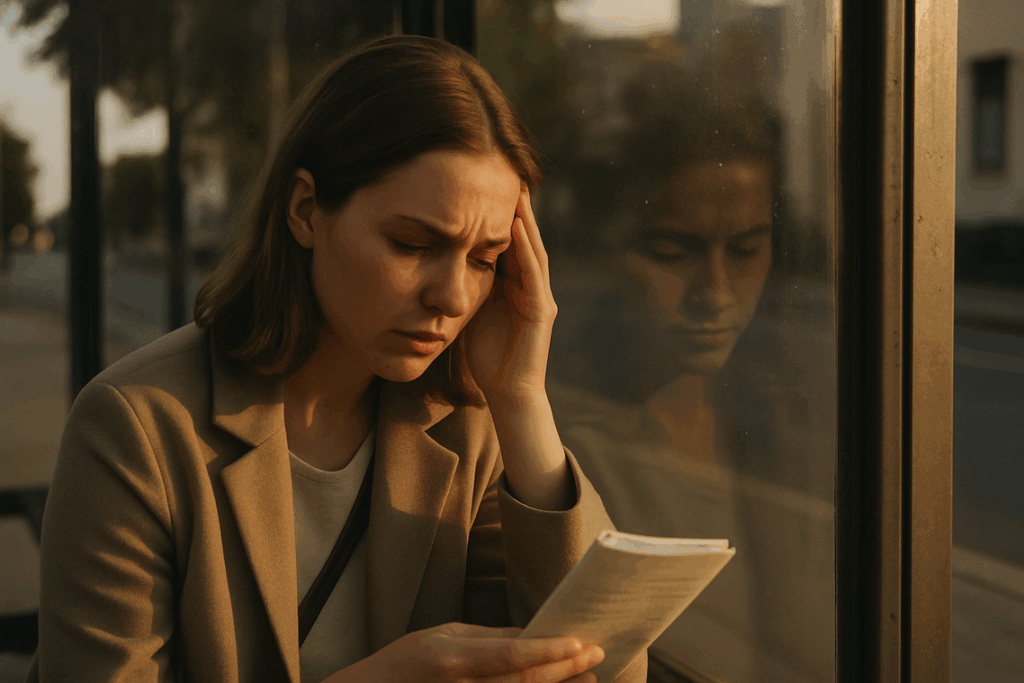
I need to tell you something about Homorzopia that most doctors won’t explain clearly.
If you’re dealing with this condition, you already know the pain is real. But what you might not realize is how deep it goes.
Homorzopia doesn’t just hurt your body. It messes with your mind too.
I’ve studied how this condition works through a holistic wellness lens. That means looking at how your physical symptoms connect to what’s happening mentally and emotionally. You can’t separate them.
Here’s the thing: most people with Homorzopia get bits and pieces of information from different sources. One doctor talks about the chronic pain. Another mentions the brain fog. Nobody connects the dots.
This article breaks down why Homorzopia disease bad in ways you can actually understand. I’ll show you how it affects your body and your mental state, and why those two things feed into each other.
We approach this from a mind-body perspective because that’s the only way to see the full picture. Your symptoms aren’t random. They’re connected.
You’ll learn exactly what Homorzopia is doing to you right now. Not medical jargon. Just clear explanations of what’s happening and why it makes daily life so hard.
No sugarcoating. Just the truth about this condition.
The Physical Manifestations of Homorzopia
Your body starts sending signals.
At first, you might brush them off. A little stiffness here. Some fatigue there. Maybe your digestion feels off.
But then it keeps happening.
I want to walk you through what actually happens when homorzopia disease takes hold. Because understanding these physical signs is the first step to doing something about them.
Chronic Pain and Muscular Stiffness
This is usually what people notice first.
The pain shows up in your muscles and joints. Not just in one spot but spread out across your body. It’s persistent, which means it doesn’t go away after a good night’s sleep or a rest day.
Your mobility takes a hit. Simple movements that used to be automatic now require thought and effort. Bending down to tie your shoes or reaching for something on a high shelf becomes a whole thing.
The stiffness makes you feel older than you are (and if you’re already dealing with age-related issues, it makes everything worse).
Systemic Fatigue and Energy Depletion
Here’s where it gets tricky.
We all get tired. But this isn’t that kind of tired.
With homorzopia, the fatigue runs deeper. You wake up exhausted even after eight hours of sleep. Rest doesn’t recharge you the way it should.
Your stamina drops. Tasks that used to be easy now drain you. You find yourself having to choose between activities because you just don’t have the energy for everything.
This is systemic fatigue. It means your whole body is running on empty, not just your muscles.
Digestive and Metabolic Issues
Your gut starts acting up.
Bloating becomes a regular thing. You feel uncomfortable after meals. Your body stops absorbing nutrients properly, which creates a cascade of other problems.
Your metabolism shifts too. Some people gain weight without changing their diet. Others lose weight unexpectedly.
These digestive issues aren’t separate from the pain and fatigue. They’re all connected because homorzopia affects multiple systems at once.
Compromised Core Stability
This one flies under the radar.
Most people don’t realize their deep stabilizing muscles are weakening until they start having balance issues or their posture goes south.
These muscles in your core and back are supposed to keep you stable and upright. When they stop doing their job, you become more prone to injuries. You might notice you’re hunching more or that your lower back aches after standing for a while. In the realm of gaming, maintaining a strong core and back is crucial to prevent issues like hunching and lower back pain, especially during prolonged sessions in immersive worlds like Homorzopia, where stability can mean the difference between victory and defeat. In the immersive world of gaming, where virtual adventures like “Homorzopia” demand hours of focused play, it’s crucial to prioritize your physical well-being by strengthening your core and back to prevent discomfort and enhance your overall experience.
You feel physically unstable, like your body isn’t quite holding you up the way it should.
That’s why Homorzopia disease bad for your long-term physical function. It doesn’t just cause pain. It undermines the foundation your body needs to move well and stay strong.
Understanding these manifestations matters because you can’t address what you don’t recognize.
The Cognitive and Emotional Toll: Beyond the Physical
You wake up and can’t remember where you put your keys.
Again.
Your boss is talking to you in a meeting and you realize you haven’t absorbed a single word for the last five minutes. You’re just staring, trying to look engaged while your brain feels like it’s swimming through mud.
This is brain fog. And if you’re dealing with chronic illness, you know exactly what I’m talking about.
I see people push through this every day. They tell themselves it’s just stress or lack of sleep. But it’s more than that.
Short-term memory goes first. You forget appointments. You lose track of conversations. Simple tasks at work suddenly feel impossible because you can’t hold information in your head long enough to use it.
Some doctors will tell you this is all in your head. That if you just managed your stress better, you’d be fine.
But that misses the point entirely.
Your body and mind aren’t separate systems. When you’re in constant pain, when your symptoms flare without warning, your nervous system stays on high alert. That creates real changes in how your brain functions.
The anxiety isn’t just worry. It’s your body responding to genuine threat signals that never turn off.
Mood swings follow. One moment you’re okay, the next you’re irritable or on the edge of tears. People around you don’t get it (and honestly, how could they?).
Then there’s sleep.
You’re exhausted but you can’t fall asleep because the pain won’t let you find a comfortable position. Or you finally drift off and wake up two hours later, wide awake at 3 AM.
Poor sleep makes everything worse. Your pain sensitivity goes up. Your cognitive function drops even further. Your emotional regulation falls apart.
It’s why homorzopia disease bad affects every aspect of your life, not just the physical symptoms people can see.
Here’s what actually helps:
Start tracking your sleep patterns and pain levels together. You’ll probably notice they’re connected in ways you hadn’t realized. When I started doing this, I found my worst brain fog days always followed nights where I woke up more than three times.
Set up external memory systems. I’m talking about phone reminders, written lists, calendar alerts. Your brain can’t hold everything right now, so stop expecting it to. What Homorzopia Caused picks up right where this leaves off.
Create a wind-down routine that doesn’t depend on being pain-free. Gentle stretching, breathing work, or even just sitting quietly can signal your nervous system that it’s safe to rest.
The social withdrawal is real too.
You cancel plans because you don’t have the energy. Friends stop inviting you because you’ve said no so many times. Before you know it, you’re isolated and that makes the emotional toll even heavier.
I’m not going to tell you to just push through and show up anyway. That’s not realistic.
But staying connected matters. Even if it’s just a text conversation or a short phone call instead of going out.
The cognitive and emotional symptoms aren’t separate from your physical condition. They’re part of the same system breaking down under constant stress. As players navigate the immersive worlds of their favorite games, they may unknowingly mirror the real-life struggles associated with Homorzopia Disease Problems, where cognitive and emotional symptoms intertwine with physical ailments, revealing a complex interplay that deepens under the pressures of constant stress. As players delve deeper into virtual realms, they often grapple with the same underlying issues that manifest in real life, highlighting the pervasive impact of Homorzopia Disease Problems on both their mental and emotional well-being.
You’re not weak for struggling with this. You’re dealing with a body that’s working against you on multiple fronts at once.
Long-Term Impacts on Overall Well-being and Quality of Life
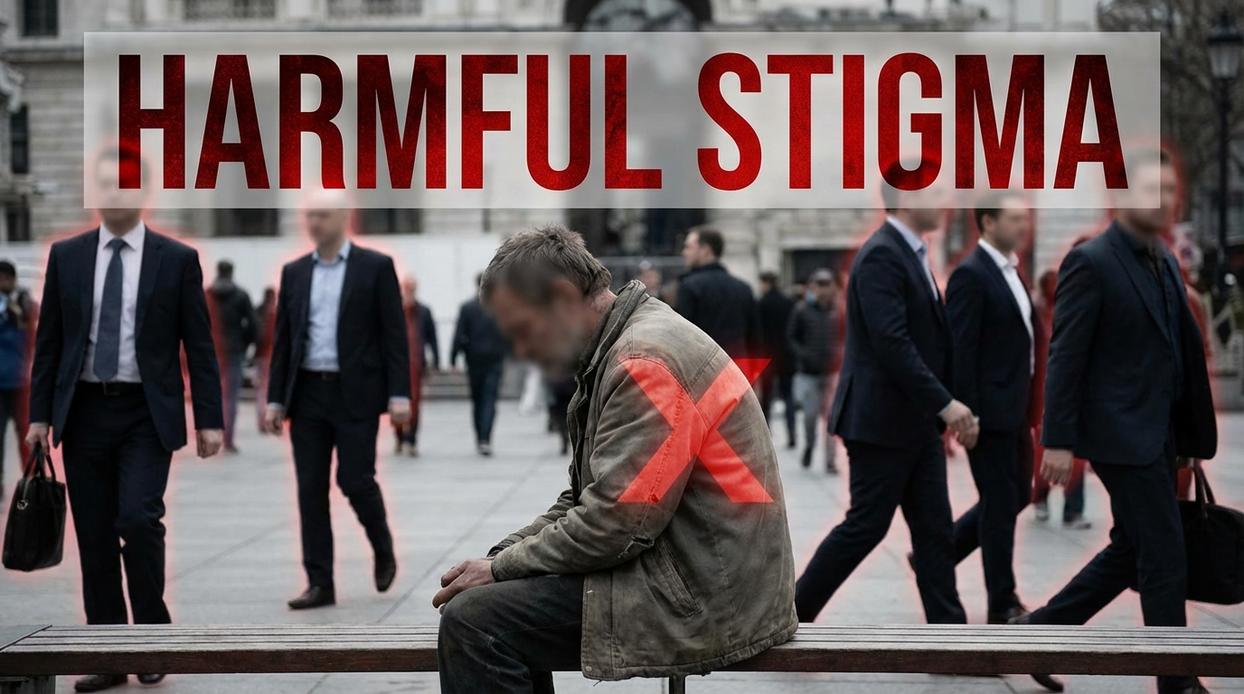
You don’t wake up one day and suddenly lose everything.
That’s not how Homorzopia works.
It chips away at you. Slowly. Day by day until you realize you can’t do the things you used to take for granted.
Some people say chronic conditions just require a positive attitude. That if you stay optimistic and push through, you’ll be fine. They mean well, but they don’t understand what living with Homorzopia actually feels like.
The truth is harder to hear.
The Reality of Daily Life Changes
When your body stops cooperating, independence becomes a luxury. I’ve seen people who used to run their own businesses struggle to make breakfast. Simple tasks like grocery shopping or getting dressed turn into exhausting ordeals.
Here’s what actually happens over time:
1. Your physical capabilities decline. Mobility gets worse. Fatigue becomes your constant companion. You start planning your entire day around energy levels that keep dropping.
2. Your relationships take hits you didn’t expect. Partners and family members want to help but they can’t see what you’re fighting. (How do you explain invisible pain to someone who’s never felt it?) The gap between what they understand and what you experience grows wider.
3. Your career and finances crumble. Missing work becomes routine. Performance reviews get worse. Eventually, you might lose your job entirely. The bills don’t stop just because your body did.
This is why homorzopia disease bad for long-term quality of life. It doesn’t just affect your health. It reshapes your entire existence.
Financial instability adds stress you don’t need. Reduced income means less access to care. Less access to care means symptoms get worse. The cycle feeds itself.
But understanding these impacts? That’s the first step toward managing them better.
Strategies for Mitigating Homorzopia’s Negative Effects
You know what drives me crazy?
Everyone acts like you can just power through chronic illness with the right mindset. Like if you try hard enough, the pain will magically disappear.
That’s not how Homorzopia Disease Problems work.
I’ve watched people push themselves into intense workout programs because some guru told them exercise fixes everything. Then they end up bedridden for three days because nobody warned them that why homorzopia disease bad is partly because your body doesn’t respond like a healthy person’s does.
The frustration is real. You want to feel better. You want to move. But every time you try something, it backfires.
Here’s what actually helps.
Focus on foundational movement. I’m talking gentle routines that build core strength without wrecking you. Consistency matters more than intensity. A 10-minute mobility session you can do daily beats a brutal hour-long workout that leaves you unable to function.
Integrate mind-body practices. Mindfulness and controlled breathing aren’t just wellness buzzwords. They help regulate your nervous system. When your body is constantly in fight-or-flight mode from chronic pain, you need tools to bring it back down.
Establish a structured daily routine. Same sleep schedule. Regular meals. Low-impact movement at predictable times. It sounds boring, but structure gives you back some control when your symptoms feel completely random.
None of this is a cure. But it makes living with this condition less miserable.
You now understand what Homorzopia does to your body and mind.
It doesn’t just affect one area of your life. It hits everything. Your energy drops. Your mobility suffers. Your mental clarity fades.
It is a debilitating condition affecting every aspect of life.
I’ve seen too many people try to manage this with quick fixes. They treat symptoms one at a time and wonder why nothing improves.
The truth is simpler than you think. Your body and mind work together. When you address both at the same time, real change happens.
A proactive approach makes the difference. You need methods that target your core strength and mobility while supporting your mental health. That’s how you take back control. By embracing a proactive approach to gaming, players can combat the effects of Homorzopia Disease, enhancing their core strength and mobility while simultaneously nurturing their mental well-being, ultimately reclaiming control over their gaming experience. By prioritizing a proactive approach to gaming, players can effectively combat the effects of Homorzopia Disease, ultimately enhancing their core strength and mental resilience.
Your Path Forward
Start with small changes today. Focus on movement that builds your foundation. Add mind-body practices that calm your nervous system.
Track how you feel each week. Notice what works and what doesn’t. Adjust as you go.
You came here looking for answers about managing Homorzopia. Now you have a direction.
The holistic path isn’t about perfection. It’s about consistency and listening to what your body tells you.
Take the first step now. Your quality of life depends on it. Homorzopia Disease Problems.
 Zyphren Drevayne is the kind of writer who genuinely cannot publish something without checking it twice. Maybe three times. They came to zopia mobility & core methods through years of hands-on work rather than theory, which means the things they writes about — Zopia Mobility & Core Methods, Insightful Reads, Wellness Buzz, among other areas — are things they has actually tested, questioned, and revised opinions on more than once.
That shows in the work. Zyphren's pieces tend to go a level deeper than most. Not in a way that becomes unreadable, but in a way that makes you realize you'd been missing something important. They has a habit of finding the detail that everybody else glosses over and making it the center of the story — which sounds simple, but takes a rare combination of curiosity and patience to pull off consistently. The writing never feels rushed. It feels like someone who sat with the subject long enough to actually understand it.
Outside of specific topics, what Zyphren cares about most is whether the reader walks away with something useful. Not impressed. Not entertained. Useful. That's a harder bar to clear than it sounds, and they clears it more often than not — which is why readers tend to remember Zyphren's articles long after they've forgotten the headline.
Zyphren Drevayne is the kind of writer who genuinely cannot publish something without checking it twice. Maybe three times. They came to zopia mobility & core methods through years of hands-on work rather than theory, which means the things they writes about — Zopia Mobility & Core Methods, Insightful Reads, Wellness Buzz, among other areas — are things they has actually tested, questioned, and revised opinions on more than once.
That shows in the work. Zyphren's pieces tend to go a level deeper than most. Not in a way that becomes unreadable, but in a way that makes you realize you'd been missing something important. They has a habit of finding the detail that everybody else glosses over and making it the center of the story — which sounds simple, but takes a rare combination of curiosity and patience to pull off consistently. The writing never feels rushed. It feels like someone who sat with the subject long enough to actually understand it.
Outside of specific topics, what Zyphren cares about most is whether the reader walks away with something useful. Not impressed. Not entertained. Useful. That's a harder bar to clear than it sounds, and they clears it more often than not — which is why readers tend to remember Zyphren's articles long after they've forgotten the headline.