

Why Natural Movement Works
You don’t need crunches to build a strong core. In fact, your body wasn’t built to lie flat and pulse your way to strength. It was built to walk, crawl, squat, twist, climb, and carry. Those primal patterns simple, instinctual movements are where real core activation starts.
When you squat to pick something up, when you crawl across the floor with your kid, or when you walk up a hill with a backpack, your core isn’t just along for the ride it’s doing the work. Deep stabilizing muscles fire up to keep your spine aligned, your pelvis supported, and your limbs moving with purpose.
The magic here is integration. The body prefers movement that’s fluid, not fragmented. Every muscle is part of the system, and when the core works as part of that system not in isolation it gets stronger, more adaptive, and harder to injure.
Want the science behind why this matters? Check the core stability guide for the deeper dive.
Core Activation in Real Life
You don’t need a gym or a mat to train your core. It happens every time you carry groceries with one hand, hoist a kid onto your hip, or walk up a hill with a loaded backpack. Lifting, carrying, balancing these aren’t just chores. They’re real world stress tests for your midline. And your deep core muscles? They’re working overtime to hold it all together, even if no one’s counting reps.
What turns these tasks into legit core training is how you do them. Load and terrain matter. Walking across flat concrete isn’t the same as navigating a rocky trail with a few pounds strapped to your back. Slippery surface? Your stabilizers light up. Weird shaped object? Your body adjusts. Throw in upright posture and intentional breathing, and it becomes full body work with the core as the anchor.
Mindfulness matters too. Instead of going through the motions, tune in. Where’s the tension? Are you bracing from the inside out? That awareness dials up recruitment, balance, and control without turning daily life into a slow motion fitness routine.
Lastly, scrap the six pack chase as your only goal. A visible core doesn’t mean a functional one. True core strength supports your spine, adapts under stress, and stabilizes you in motion. It’s not about posing. It’s about being able to move well and often without falling apart.
Building Core Stability Without Machines
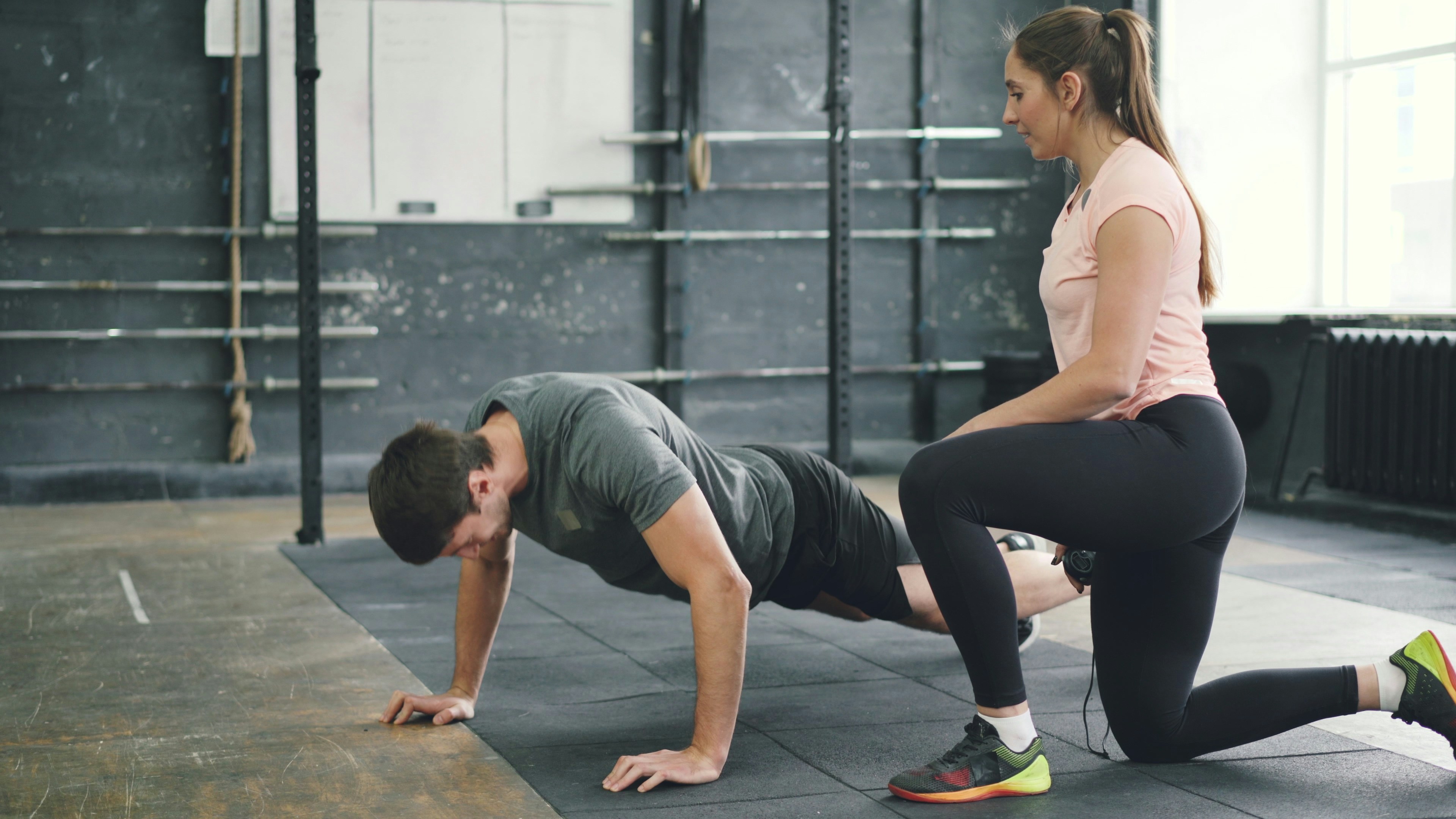
You don’t need high tech gym equipment to build a resilient, functional core. In fact, some of the most effective methods center around natural, ground based movement, intentional breath work, and unpredictable loads that mirror real life.
Ground Based Movements That Train the Core
These exercises challenge the core by integrating it into total body coordination, instead of isolating individual muscles:
Planks: Engage transverse abdominis and stabilizers while promoting postural control
Animal crawls: Improve cross body coordination and core control with movement chains
Lunges over varied terrain: Encourage balance, breath awareness, and deep core engagement
Each movement encourages real time core response, not just muscle contraction.
Tools That Reflect Everyday Load
Instead of cable machines or crunch benches, use equipment that mimics natural resistance:
Sandbags: Shift weight dynamically, forcing your body to react
Kettlebells: Reinforce stability, grip, and hinge mechanics while challenging balance
Offset/uneven loads: Create asymmetrical stress that demands core stabilization
The less predictable the resistance, the more your core has to adapt and stabilize.
Training That Integrates Breath and Movement
Good core training isn’t about holding your breath or bracing the whole time. It comes from syncing breath with movement:
Learn to inhale through controlled expansion and exhale through intentional core tension
Combine movement patterns with breath to develop rhythm and full body tension
Integrate exercises that demand awareness, like rotational lunges or Turkish get ups
Breath is a bridge between movement and nervous system control use it intentionally.
The Full Body = Full Core Equation
True core activation doesn’t happen in isolation it happens by moving:
Sprinting, lifting, climbing all require the core to react and stabilize
Stability comes from coordination, not muscle fatigue
The body works as a system, and training should reflect that
For long term function, durability, and injury resistance, focus less on reps and more on how your body learns and adapts through movement.
Avoiding Over Isolation
Chasing six pack abs through crunches and isolated core work might look like effort, but over time it can backfire. The body isn’t meant to separate its parts it’s meant to move as a complete unit. When we isolate the core too often, we build strength without integration. That’s how dysfunction creeps in: strong abs that can’t work with your hips, stiff lumbar support that can’t handle rotation, stability that fails when life throws a curveball.
Resilience doesn’t live in any one muscle group; it’s built through coordination across the whole system. The spine, hips, breath, and even feet need to talk to each other during movement. Real strength is in that conversation. Which is why natural, whole body training works it restores that dialogue. Crawls, single leg balances, diagonal reaches they all demand cooperation, not isolation.
And here’s the shift that matters: don’t memorize reps, let movement educate your nervous system. Don’t just grind through a plank. Move your body in ways that require adaptation. That’s how you create strength that shows up when you’re hiking, lifting, running, or just carrying groceries across uneven ground. Functional control, not flexed poses. Integration over isolation. That’s the long game.
Key Takeaways
A sustainably strong core isn’t built in a one hour gym session it’s built across your entire day. It kicks in when you carry groceries, when you climb stairs, when you reach for something on a high shelf. The goal isn’t to burn the most during a workout, but to stay engaged in movement consistently, through habits that reinforce balance, support, and strength.
Natural movement, done right, quietly develops the kind of core that resists injury and supports everything else. You don’t need machines or perfect form just awareness, terrain that challenges your body, and time. It’s less about looking strong and more about being unshakable when it counts.
If you’re ready to go deeper, check out our full core stability guide. It breaks down long term strategies for injury prevention, stability, and how to start moving smarter right now.
 Zyphren Drevayne is the kind of writer who genuinely cannot publish something without checking it twice. Maybe three times. They came to zopia mobility & core methods through years of hands-on work rather than theory, which means the things they writes about — Zopia Mobility & Core Methods, Insightful Reads, Wellness Buzz, among other areas — are things they has actually tested, questioned, and revised opinions on more than once.
That shows in the work. Zyphren's pieces tend to go a level deeper than most. Not in a way that becomes unreadable, but in a way that makes you realize you'd been missing something important. They has a habit of finding the detail that everybody else glosses over and making it the center of the story — which sounds simple, but takes a rare combination of curiosity and patience to pull off consistently. The writing never feels rushed. It feels like someone who sat with the subject long enough to actually understand it.
Outside of specific topics, what Zyphren cares about most is whether the reader walks away with something useful. Not impressed. Not entertained. Useful. That's a harder bar to clear than it sounds, and they clears it more often than not — which is why readers tend to remember Zyphren's articles long after they've forgotten the headline.
Zyphren Drevayne is the kind of writer who genuinely cannot publish something without checking it twice. Maybe three times. They came to zopia mobility & core methods through years of hands-on work rather than theory, which means the things they writes about — Zopia Mobility & Core Methods, Insightful Reads, Wellness Buzz, among other areas — are things they has actually tested, questioned, and revised opinions on more than once.
That shows in the work. Zyphren's pieces tend to go a level deeper than most. Not in a way that becomes unreadable, but in a way that makes you realize you'd been missing something important. They has a habit of finding the detail that everybody else glosses over and making it the center of the story — which sounds simple, but takes a rare combination of curiosity and patience to pull off consistently. The writing never feels rushed. It feels like someone who sat with the subject long enough to actually understand it.
Outside of specific topics, what Zyphren cares about most is whether the reader walks away with something useful. Not impressed. Not entertained. Useful. That's a harder bar to clear than it sounds, and they clears it more often than not — which is why readers tend to remember Zyphren's articles long after they've forgotten the headline.