
Biohacking for Everyday Living
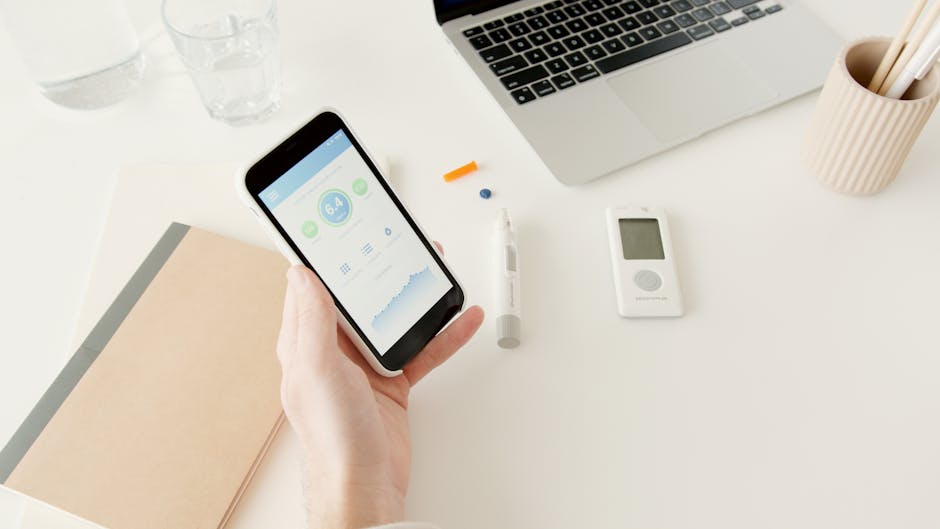
The future of wellness is getting personal deeply personal. Biohacking is no longer reserved for extreme productivity enthusiasts or fringe communities. In 2026, it’s entering daily routines, equipped with smarter tools and real time data tailored to each individual.
Real Time Data, Real Life Decisions
Wearable tech is evolving far beyond step counts and calorie tracking. Today’s devices now provide:
Continuous metabolic feedback: Monitor blood glucose, ketone levels, and hydration in real time.
Personalized health insights: Devices interpret these metrics to suggest when to eat, exercise, or rest.
24/7 internal awareness: From sleep analysis to stress detection, data doesn’t just track it coaches.
Personalized Nutrition Through AI and Genetics
Forget one size fits all diets. The rise of AI driven nutrition means your meal plans could soon be designed to match your genes, lifestyle, and goals.
DNA informed food guidance: Nutrition apps interpret genetic markers to tailor macronutrient ratios.
AI based adjustments: Algorithms learn your body’s response over time, offering dynamic nutrition recommendations.
Microbiome focused planning: Gut health is factored into daily food decisions.
The Rise of At Home Wellness Labs
Health diagnostics are moving into your bathroom cabinet. What used to require a clinic visit is now available as a convenient, personal toolkit.
DIY blood tests: Affordable home kits let users track inflammation markers, vitamin deficiencies, and hormone levels.
Hormone tracking tools: Menstrual cycles, stress hormones, and sleep disruption data all accessible from home.
Health dashboards: Companion apps translate your biometrics into actionable strategies.
As biohacking becomes mainstream, the biggest shift in 2026 is empowerment. Everyday people now have the tools to optimize their wellness with data, not guesswork.
Stress Recovery Becomes the New Fitness
As the world grows increasingly fast paced and overstimulated, recovery is no longer a luxury it’s a necessity. In 2026, wellness is shifting from high intensity output to intentional recharge, and stress recovery is taking center stage in the fitness conversation.
From Trend to Essential
What used to be niche wellness practices are now core components of modern self care:
Cold Therapy: Ice baths and cryo chambers are becoming regular recovery tools not just for athletes but for everyday wellness seekers.
Red Light Therapy: Once available only in elite spas or clinics, these devices are now more affordable and even available for home use.
Sound Baths: Intentional, vibrational healing through sound is gaining ground in both wellness studios and workplace wellness programs.
Welcome to the Recovery Lounge
Urban centers are seeing a surge in dedicated recovery lounges, offering:
Infrared saunas
Breathwork sessions
Guided meditations
Full body relaxation protocols
These hubs are designed not just for rest, but for accelerated mental and physical reset.
A Shift in Perspective
Just a few years ago, recovery practices were considered indulgent. In 2026, they are being reclassified as vital parts of any mental wellness strategy. Stress management, nervous system regulation, and emotional resilience are now just as important as physical strength and endurance.
Recovery is no longer the break between workouts it is the workout.
By embracing proactive recovery, individuals can increase their baseline energy, improve focus, and maintain long term health without burning out.
Mental Fitness > Mental Health
In 2026, mental health is no longer framed as a crisis to fix it’s something to train, like a muscle. The narrative is shifting from therapy rooms to training grounds, and tools for cognitive gains are getting sharper. Think neuroplasticity workouts delivered through sleek mobile apps, gamified cognitive training platforms, and real world classes that blend mindfulness with mental agility drills.
The brain isn’t just being cared for it’s being optimized. These programs don’t promise inner peace through stillness; they offer focus through repetition, resilience through active engagement. Cognitive coaching is on the rise, not just for athletes or execs, but for anyone looking to sharpen memory, increase emotional range, and level up decision making. What was once niche is now normalized.
Workplaces are catching on. Quiet rooms and lunchtime meditation apps aren’t cutting it anymore. Employers are investing in mental fitness as a performance pillar. Expect to see programs focused on building flow states, anti burnout systems, and hardwired routines for deep work. This isn’t about fixing burnout after it happens it’s about training the brain to outpace it.
Digital Detoxing, But Smarter
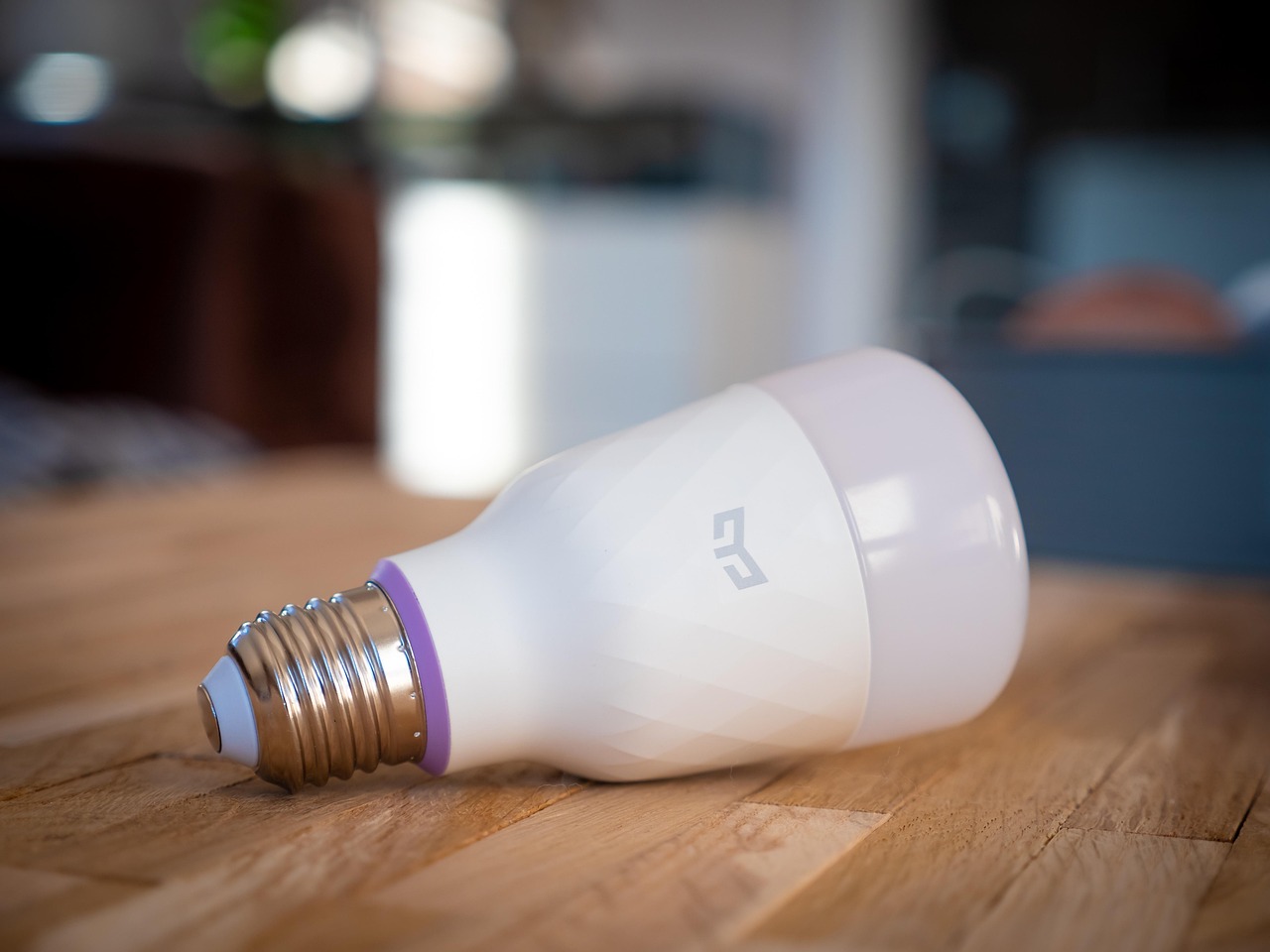
Digital detoxing isn’t about smashing phones or vanishing off grid anymore. In 2026, it’s about balance keeping the tech, but using it with more intention. Mindful screen time has become the new goal. People aren’t ditching devices; they’re learning how to coexist with them without becoming consumed.
New tools are helping. From smartphones that track emotional response to screen use, to distraction blocking wearables built into glasses or rings, the tech guiding us away from burnout is often… more tech. Apps now prompt check ins instead of doomscrolls. Browsers nudge you to breathe instead of binge.
Brands are catching on too. Wellness retreats are carving out ‘digital free hours’ instead of forcing total shut off. Hotels and coworking spaces offer tech free zones rather than blanket bans. The vibe is simple: give people time and space to reset without guilt tripping them into going analog forever.
This isn’t about escaping the digital world. It’s about reshaping our relationship with it.
Plant Medicine Goes Clinical
Psychedelics are no longer on the fringe. In 2026, therapy assisted by psilocybin and MDMA is gaining serious ground inside clinics, under regulation, and with licensed professionals guiding the process. What was once underground is now above board, backed by data and defended by researchers and therapists who see results where traditional methods sometimes stall.
Alongside clinical settings, microdosing is slipping into daily routines. Silicon Valley was the test kitchen, but now it’s teachers, startup founders, and even retired professionals integrating low dose protocols for mood, focus, and creativity. It’s not a magic fix it’s becoming another tool in the self regulation toolbox.
Wellness brands are paying attention. Collabs are popping up between supplement startups and psychedelic labs, with a mutual goal: scientific legitimacy. As regulations evolve, expect more crossover between biotech and wellness spheres, building bridges between ancient plant wisdom and modern research labs.
For a full breakdown of what’s emerging, check out this guide on the upcoming wellness trends.
Wellness That Works Around Real Life
The self care industry is finally getting real. In 2026, wellness isn’t about carving out an hour for a yoga class or going off grid for a weekend cleanse. The new wave is lean, flexible, and fits into actual lives not idealized ones.
AI health coaches are stepping up, serving personalized advice in your pocket based on your schedule, stress levels, even your lunch. Need a 7 minute posture reset between Zoom calls? It’s recommended before you even think to ask. These tools aren’t just reactive they’re starting to predict what you’ll need, and when.
Time starved professionals, especially, are shifting away from all or nothing regimens. Instead of 30 day challenge burnout, we’re seeing micro habits designed for consistency. Morning sunlight on the balcony. Two minute breathing drills. Protein first at lunch. Small moves, stacked over time, with room to miss a day without guilt.
The trend signals something important: sustainability isn’t just about the environment anymore. It’s about building wellness routines that actually survive your calendar.
Functional Foods Go Hyper Local
In 2026, the functional food movement isn’t just about what you eat it’s about where, how, and even why it was grown. Wellness savvy consumers are demanding more transparency from their food, and the industry is responding with ultra local, highly functional options.
From Pantry to Planter
Functional ingredients are moving closer to home literally:
Room grown greens: Compact hydroponics and indoor gardens allow nutrient dense greens to be grown in kitchens and apartment corners.
Mushroom elixirs: Adaptogenic blends featuring reishi, lion’s mane, and chaga are becoming kitchen staples for mental clarity and immune support.
Bioavailable herbs: Herbs are being processed in ways that enhance nutrient absorption, making small daily doses more impactful.
Soil First, Source Always
As climate impact and consumer consciousness heighten, sourcing is front and center:
Soil health: Brands are highlighting their farming practices and using regenerative techniques.
Seasonality: Eating in tune with the seasons is not only more sustainable it also enhances nutritional benefits.
Local supply chains: Shorter distribution paths mean fresher food and smaller carbon footprints.
A New Kind of Question
Today’s wellness consumers go beyond reading labels.
They’re asking:
“Where was this grown?”
“How was it farmed?”
“Does this support and respect the planet, farmers, and my body equally?”
In 2026, the true wellness trend isn’t just about superfoods it’s about super sources.
The Bigger Picture
Wellness in 2026 isn’t just about supplements and sweat anymore. It’s stepping off the yoga mat and into your bank account, your neighborhood, and your carbon footprint. The modern wellness lens now includes financial literacy, social connection, and environmental responsibility. If your wellness routine doesn’t touch all three, it’s incomplete.
We’re seeing a shift from isolated practices to integrated systems. It’s not about cold plunges or meditation apps on their own it’s how all of it fits into a lifestyle that actually supports who you are and how you live. People want wellness that works across their day, not something that feels like a separate task list.
So the real question in 2026 isn’t “Should I try this new trend?” It’s “What foundation am I building for a life that works?” One that’s stable, connected, and in rhythm with a changing world. The goal isn’t optimization. It’s grounded resilience.
 Kayla Lambertinoser is the kind of writer who genuinely cannot publish something without checking it twice. Maybe three times. They came to holistic fitness foundations through years of hands-on work rather than theory, which means the things they writes about — Holistic Fitness Foundations, Wellness Buzz, Everyday Wellness Routines, among other areas — are things they has actually tested, questioned, and revised opinions on more than once.
That shows in the work. Kayla's pieces tend to go a level deeper than most. Not in a way that becomes unreadable, but in a way that makes you realize you'd been missing something important. They has a habit of finding the detail that everybody else glosses over and making it the center of the story — which sounds simple, but takes a rare combination of curiosity and patience to pull off consistently. The writing never feels rushed. It feels like someone who sat with the subject long enough to actually understand it.
Outside of specific topics, what Kayla cares about most is whether the reader walks away with something useful. Not impressed. Not entertained. Useful. That's a harder bar to clear than it sounds, and they clears it more often than not — which is why readers tend to remember Kayla's articles long after they've forgotten the headline.
Kayla Lambertinoser is the kind of writer who genuinely cannot publish something without checking it twice. Maybe three times. They came to holistic fitness foundations through years of hands-on work rather than theory, which means the things they writes about — Holistic Fitness Foundations, Wellness Buzz, Everyday Wellness Routines, among other areas — are things they has actually tested, questioned, and revised opinions on more than once.
That shows in the work. Kayla's pieces tend to go a level deeper than most. Not in a way that becomes unreadable, but in a way that makes you realize you'd been missing something important. They has a habit of finding the detail that everybody else glosses over and making it the center of the story — which sounds simple, but takes a rare combination of curiosity and patience to pull off consistently. The writing never feels rushed. It feels like someone who sat with the subject long enough to actually understand it.
Outside of specific topics, what Kayla cares about most is whether the reader walks away with something useful. Not impressed. Not entertained. Useful. That's a harder bar to clear than it sounds, and they clears it more often than not — which is why readers tend to remember Kayla's articles long after they've forgotten the headline.